The Life of a Farm Dog
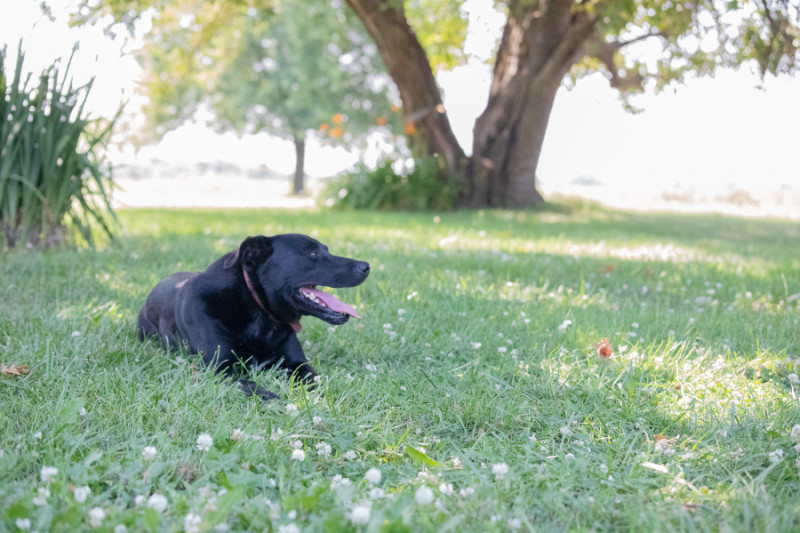
When you think about farm animals, cows, pigs, or even horses may come to mind. But dogs are also a staple on many farms. Just like city dogs, farm dogs can provide companionship and perform important work like herding and guarding livestock.
Meet Little Sammy Jinkins, or “L.J.” for short. L.J. is a valued member of the Robbins family in Emmet near Topeka. L.J.’s primary human is Tanner, who works with his parents Gary and Kim on the family farm where they grow soybeans, corn, wheat, and cattle.
One of LJ’s favorite things to do is ride along with Tanner in the side-by-side as he checks on cattle and crops. Just like city dogs live for car rides when they can stick their heads out the window, L.J. gets very excited for his adventures with Tanner — so much so that when Tanner simply takes a step in the direction of the vehicle, L.J. notices and immediately runs to jump in first.
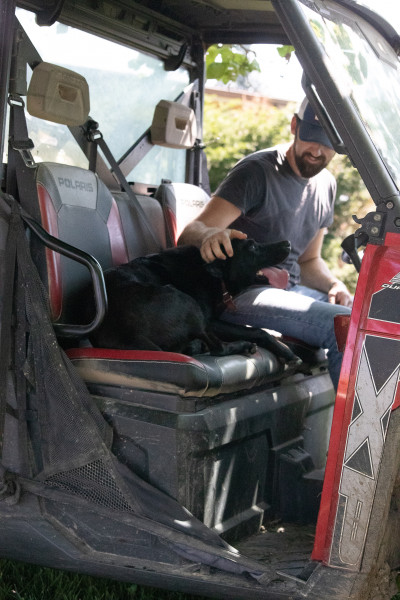 Another perk of being a farm dog is having a chance to roam and play. Because most farms are in rural areas with neighbors spread far and wide, the dogs can run about as they please — like city dogs at a dog park. They sniff around, explore and discover.
But there’s also work to be done. Although L.J. isn’t a trained herding dog like some farm dogs, he does his best to help around the farm. Occasionally, Tanner must sort cattle into different pens so he can provide individualized care for them. L.J. tries to assist with the sorting by herding them in the direction they need to go.
On farms with smaller livestock, such as sheep or goats, dogs can keep watch to protect them from danger like coyotes, mountain lions, or people with bad intentions. No matter what the threat may be, farm dogs take their job of keeping the other animals safe very seriously.
Even though not all farms have farm dogs, these fun, loving, protective animals are considered valuable assets and part of the family. And, like L.J., they serve as loyal companions and trusty sidekicks to their humans.
This article was written by Sage Collins, an intern with the Kansas Soybean Commission.
Meet More Kansas Farm Animals