A Passion for Alpacas
Late-night infomercials are known for a lot of things — handy kitchen gadgets, miraculous beauty treatments and amazing workout gear. Launching careers in agriculture isn’t typically among them. But that’s exactly what happened for Sharon and Brian Heimes of Manna Meadows in Bonner Springs.
Brian, a self-proclaimed night owl, has spent many late nights watching TV and been sucked in by a lot of products. Remember the Flowbee — the haircutting clippers with a vacuum attached? He has one of those, which he’s used for decades, thank you very much.
“Brian is the poster child for infomercials,” Sharon laughed. “They work. He hasn’t paid for a haircut for years and year and years. And they put us on this path.”
“This path” is the couple’s journey to becoming alpaca farmers in Kansas, which started with an infomercial about these gentle animals.
“I hadn’t even heard of alpacas before that,” Brian said. “It was intriguing.”
He and Sharon had purchased a property in Bonner Springs, where they planned to retire. They loved the peacefulness of the area, but weren’t sure what they wanted to do with the land. After Brian saw the infomercial, he reached out to local alpaca farmers to learn more. Through those contacts, Brian and Sharon got some hands-on experience helping with chores and caring for the animals.
“The more we did it, the more we were pretty sure we wanted to try that,” he said. “Alpacas are a heck of a lot easier to manage than bigger animals like horses. They’re relatively docile creatures as long as they’re handled and trained. It was ideal.”
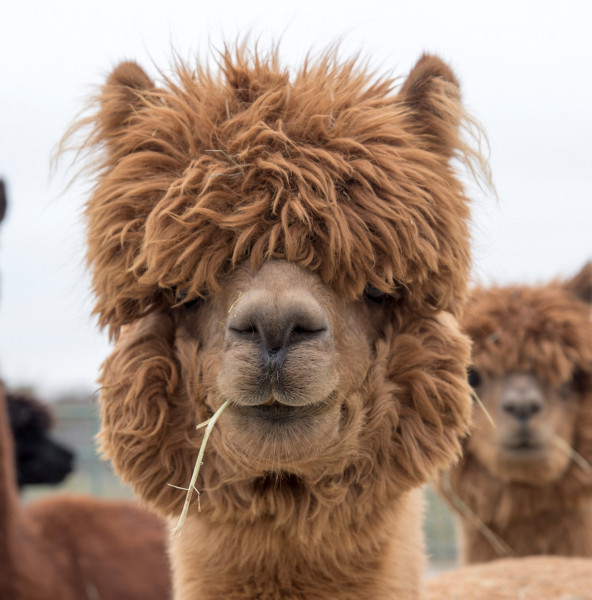 They bought their first alpacas in 2009 and started a business breeding them. But the economy took a downturn, causing them to rethink their initial plan.
“At the time we started it was lucrative, but then no one was buying them. We had all these alpacas and all this fiber. That triggered us to rethink our business plan,” Sharon said.
They thought about opening their own mill to process fiber, but after befriending a mill owner in western Kansas, they switched gears. Their friend suggested they consider the niche area of making custom textiles. Brian and Sharon enjoyed weaving, machine knitting and crochet as hobbies. Extending their business plan to include those hobbies as an end-to-end service seemed like a perfect fit. So, they started making and selling scarves, hats, socks and more.
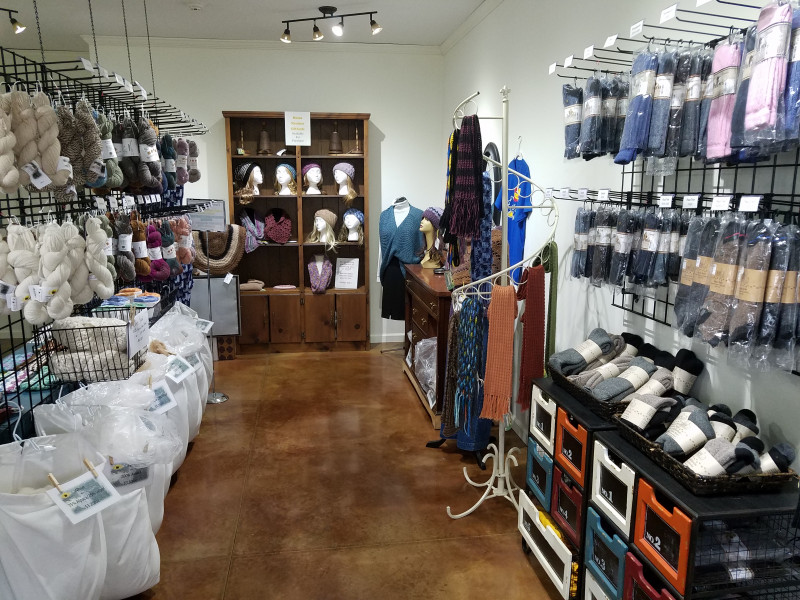 As they worked with the alpacas, their love of these animals grew. They wanted to share that love with others.
“It’s enjoyable to watch them graze out in the pasture. They’re herd animals and come in all different colors. When you watch them, it’s so neat,” Sharon said. “We started an agritourism business where we offer tours. Meeting people and being able to teach the community about alpacas has been enjoyable to me.”
“We were surprised at how many people wanted to come out,” Brian added. “People really craved that interaction with the animals.”
Branching into agritourism was another way for them to diversify their business. They started hosting farm tours. That has grown to taking their animals to birthday parties and other events, as well as to senior centers as therapy animals. Their alpacas have also participated in wedding proposals and prom-posals, and soon will be part of alpaca yoga on the farm.
With the COVID-19 pandemic, Sharon and Brian have had to adapt again by limiting tour sizes, hosting events through online video and even closing for a little while. However, their daily lives caring for the animals haven’t changed much.
Morning chores include feeding (they also have chickens), cleaning the barn and runs and letting the alpacas out to pasture. Evening is similar, but in reverse as they close up the barn for the night. They also keep busy with regular household chores and tending to the pasture.
“I mow. I mow. I mow,” Sharon said. “It’s hard to keep up with. Unless the alpacas are in a very small space, they can’t keep up with the grass growth on their own.”
Every six weeks or so, she and Brian perform health and wellness checks and chores like tooth and nail trimming.
“We weigh the animals to make sure no one’s losing weight or gaining weight faster than they should be. They’ll also get shots to help with parasites and immunizations — some of them are similar to what our kids get,” Brian said. “If there are babies that are due, we’re watching them throughout the day.”
They still run a breeding operation and pregnancies can be nerve-racking.
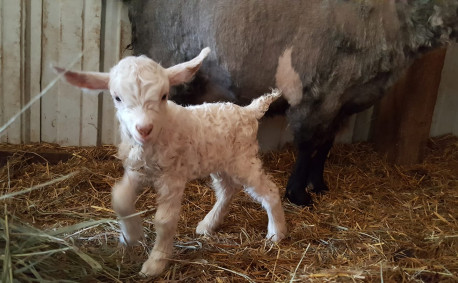
“It takes 11-and-a-half months for them to have a baby,” Sharon said. “When the babies first come out, they’re all wet with a long neck and legs. They look like aliens. But as soon as they dry off and fluff up, they are so, so cute.”
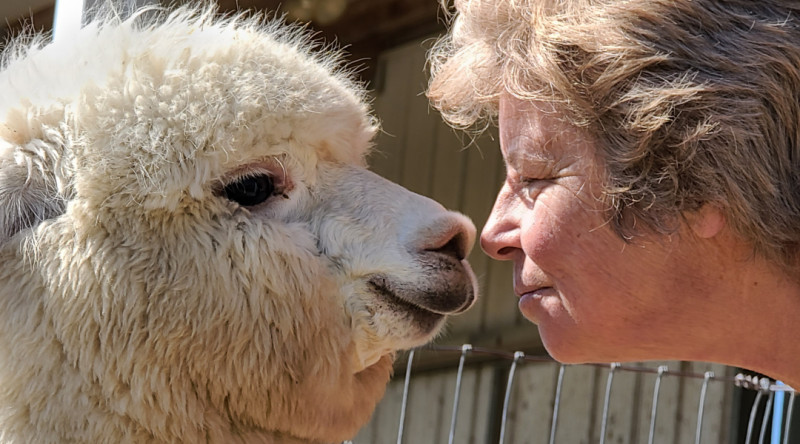
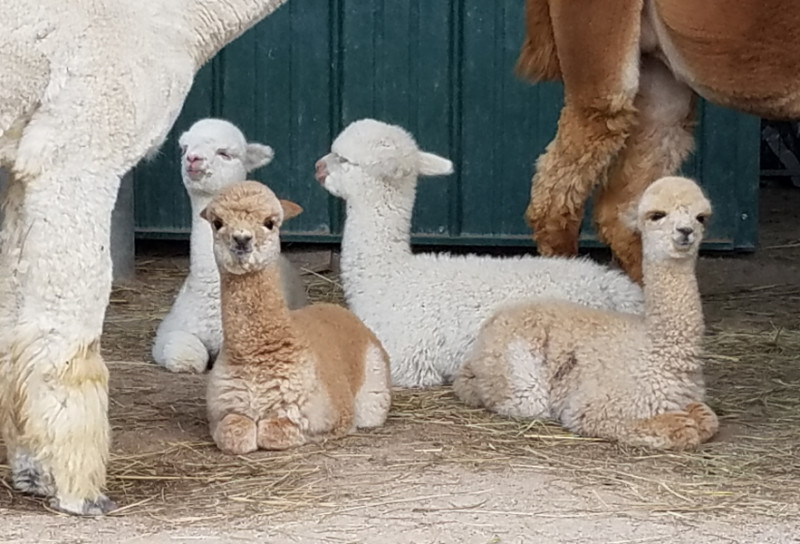 “They each have their own unique personality. They’re very curious. Some of them can be very cuddly and want to be around you and petted, which is fun, especially when we have visitors,” Brian added. “They’re very much like a dog or a cat. You get very attached to them. The biggest disappointment is sometimes we do lose animals from old age or cancers just like the human population. It’s just hard. They really are our pets and almost our kids at times.”
Sharon and Brian usually plan their breeding seasons so the animals give birth in the spring and fall. Shearing happens once a year, usually during spring, which helps keep them cool in the summer.
“Their native environment is the mountainous region in South America,” Brian said. “They like the winter, but summer is harder.”
Sharon also likes the winter because she doesn’t have to keep up with constant mowing.
“We also spend more time working on fiber things in wintertime,” Brian said.
No matter what season it is, Sharon and Brian love watching their herd wander peacefully around the farm. They also love sharing their passion for and knowledge about alpacas with others. If you’d like to meet their alpacas, visit their website or follow them on Facebook.
More About
What’s your favorite thing about Kansas?
Sharon: “I like that Kansas is mostly an agricultural state and the people we meet who come out to see the alpacas are just great people. They’re nice, down-home, interested people.”
Brian: “I love the change of seasons. I think I wouldn’t be happy in a place like Florida or Texas. I love our location. We’re centrally located and if we’re going to shows, we have access to quite a few areas.”
What’s your favorite food?
Sharon: “Ice cream.”
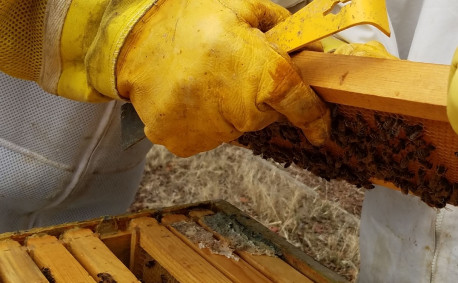
Brian: “I’m a meat eater. I love my hamburger and my steaks. I very much enjoy our eggs and we also raise honeybees, so I like honey.”
Meet More Kansas Farmers