How Luke Bellar Started as a Young Farmer
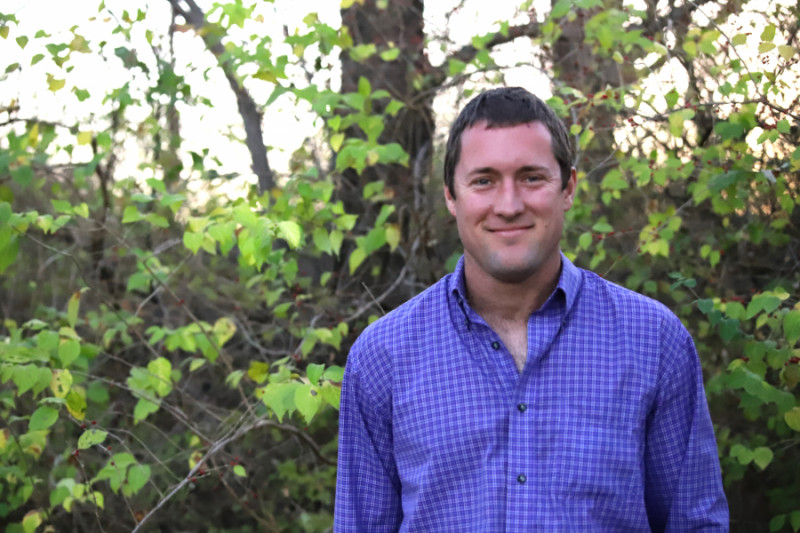
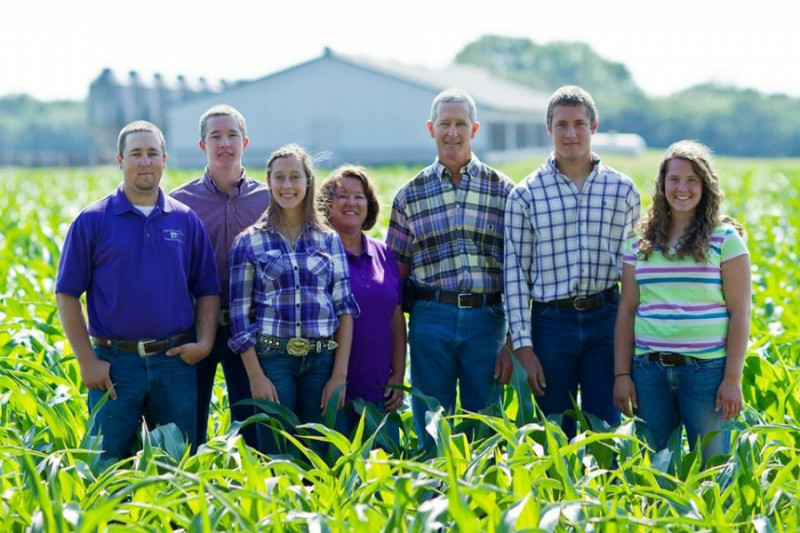
Luke Bellar always wanted to return to his family’s farm after college, but the question was how? With four siblings, many of whom also wanted to return, Luke knew the farm could not support everyone who wanted to come home and farm. He discussed it with his father, who recommended that the kids try to find work on other farms, with the hope that one day they might be able to join forces again. This type of planning is common — and necessary — among many family-owned farm operations.
And that’s just what Luke did. He found a job working for a farmer a few counties away. From there, he began his own farm in partnership with one of his brothers.
 When we talk about small business owners, we often think about people who run restaurants, boutiques, flower shops or salons. To help offset risk, those businesses focus on diversifying when possible. Do they offer dine in and carry out? Do they have a subscription service? What about a monthly flower bouquet so they’re not so dependent on holidays and special occasions? How do they support their employees?
Family farms are small businesses with similar concerns. It just sounds a little different. For every “what if,” farmers have to determine how to make it work.
What if corn prices are really low? How can we still cash flow our operation?
What if there is a major weather event, like a tornado or drought, that impacts our crops? Will we have anything to sell?
Diversification helps mitigate risk on farms. One benefit of Luke’s being in a different area from the family farm is to reduce risk when it comes to severe weather events.
“While we’re relatively close, we do have different weather impacts so this will allow us to balance risk a little better,” he said.
Crop diversity is another way for farmers to reduce risk. Luke and his brother raise soybeans, wheat and corn on his farm.
Many farmers rotate crops, growing corn after soybeans (which is great because soybeans leave a lot of nitrogen in the ground which corn loves). They may also grow wheat, grain sorghum or even hay.
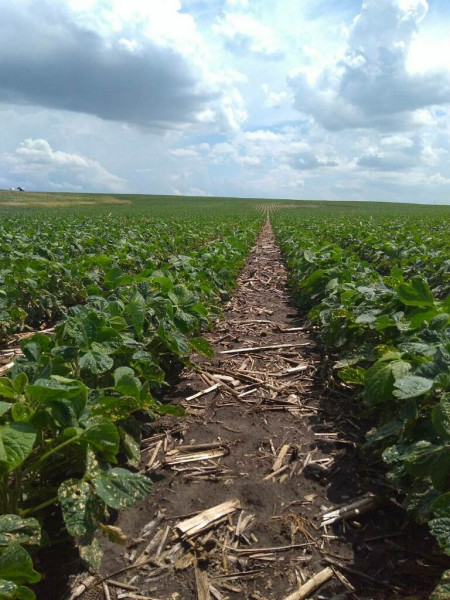 This brings some of that much needed diversity, which is good from a business perspective, but also good from a sustainability standpoint. With each crop using and releasing different nutrients, they improve the quality of the soil. Crop rotation also helps keep insects and weeds at bay.
When you ask Luke why he’s passionate about this, his face lights up.
“I’m passionate about farming and ag because ever since I was a little kid, I enjoyed riding in the tractor with dad and I always said, ‘I want to be just like you dad’ and that passion has only grown with me,” he said.