Brewing Community at Legacy Farms Coffee
Legacy Farms Coffee didn’t begin with a love for caffeine; it started with a mission to help.
“Long story short, I accidentally bought a coffee farm,” founder Ashley Williams said. “I was looking for land in Honduras to build houses on for my nonprofit. When I found a larger farm, I made the leap to buy it.”
The “accident” sparked a new chapter, one that would grow into Legacy Farms Coffee. The Kansas-based, small-batch roastery sources beans directly from farms in Honduras — including Ashley’s and those he helped launch through nonprofit efforts.
Ashley’s connection to Honduras began in 1998 when he visited the country with his church on a mission trip.
“Later that same year, a hurricane hit Honduras, and I had the chance to go back,” Ashley said. “From then on, I knew I didn’t just want to assist. I wanted to lead.”
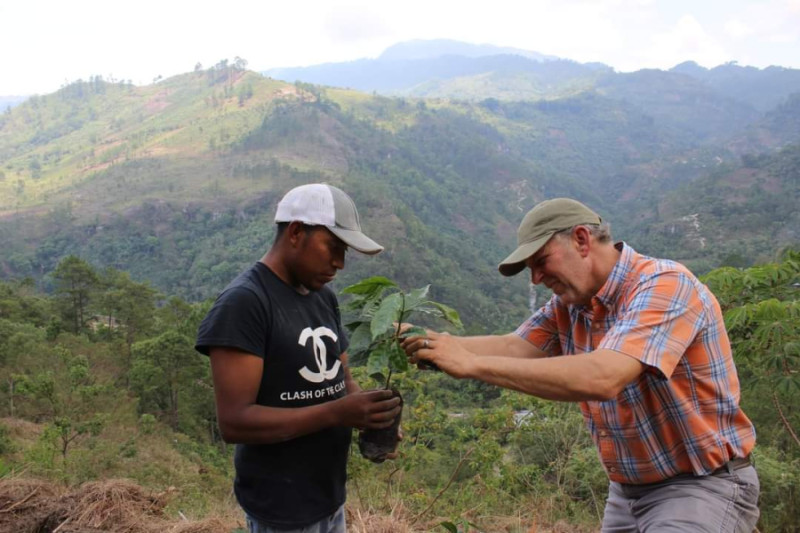
The more time Ashley spent in Honduras, the more he learned. He discovered how to make the biggest impact. Today, he partners directly with local farmers.
“Some people had land but couldn’t afford to plant or fertilize it,” he said. “Others needed a piece of land to get started. So, I made a bank.”
To date, Ashley’s operation has made six no-interest loans and donated plants and fertilizer for three years to get small farms off the ground. The beans are grown in Honduras, then sent to the United States to roast and process. After harvest, Ashley either helps farmers find premium-paying buyers or buys the coffee beans himself to roast and sell.
“It’s life-changing,” he said.
 And the process is highly transparent. If Ashley’s farm doesn’t grow the coffee beans, he oversees the farm that does.
“I’m confident everything is grown the same way we do it,” he said. “All beans go through a cupping lab to test for mold and ensure they meet specialty-grade standards. Additionally, all buyers are encouraged to visit the farm, meet the people and see everything for themselves.”
Legacy Farms Coffee is now headquartered in Moundridge.
“My wife, Julia, is from Kansas. We met in Honduras while on separate mission trips,” Ashley said.
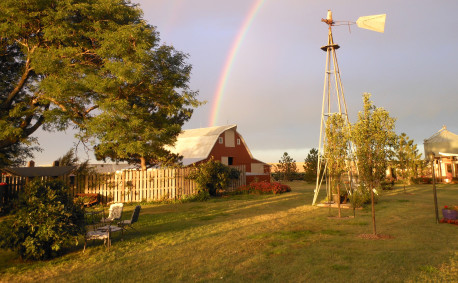
Their family lives in a farmhouse built in 1900 by Julia’s ancestors. The land is still used for hay and cattle, and the Williamses figured coffee would be a good fit. And it’s not just a business, but a local asset.
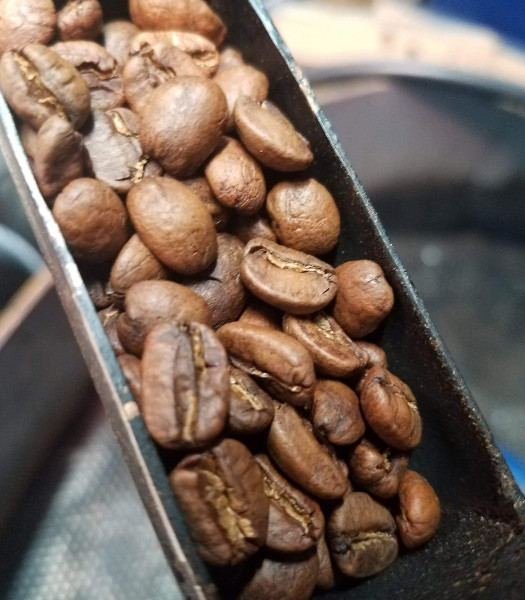
“We do a lot of roasting to help with fundraising for schools and churches,” Ashley said. “I hope to build a new roastery on the main road in Moundridge and hire our first full-time employee soon. I think we’re a positive force in the community.”
Family is part of the Legacy Farms Coffee formula, both in Kansas and in Honduras.
“When I hire a man to work for me, I usually get help from his family,” Ashley said. “The older kids help with small jobs on the farm. The wives work on the drying patio or in the selection lab. And we do our best not to disrupt the family dynamic. Hours for women are very flexible so they can take care of their home responsibilities and come to work when they want.”
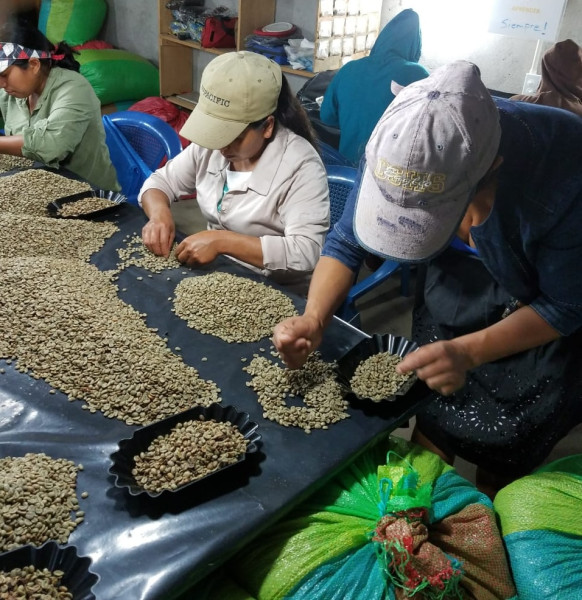 The community and nonprofit elements of Legacy Farms Coffee are just as important as the coffee itself. Positive moments, like seeing children getting care during a medical or dental clinic on the farm, help Ashley stay grounded in his mission.
Of course, there are tough days too.
“Last year we lost 43 percent of the crop due to emigration,” Ashley said. “But then I see the faces of the little kids in church, and it balances things out.”
When asked how he takes his coffee now, Ashley’s answer is a testament to his product.
“I started with cappuccinos and lattes,” he said. “Now, it’s black coffee made with a pour-over.”
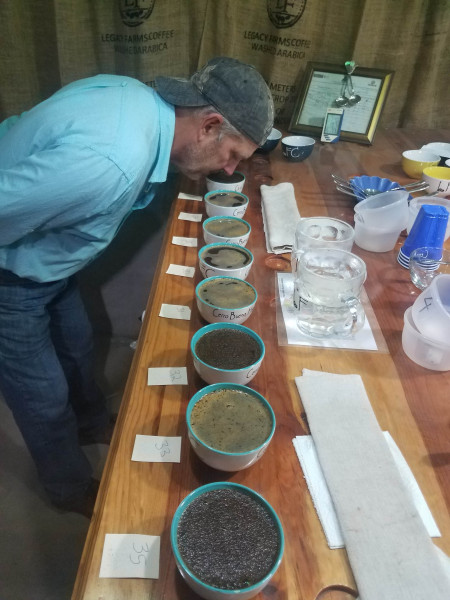 And if there’s one thing he wishes more people understood?
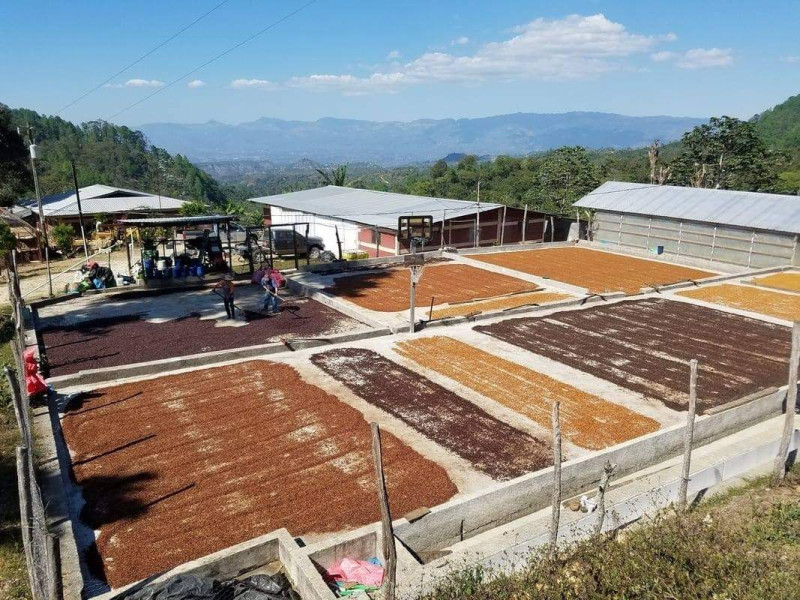
“How much of the process is done by hand,” he said. “My drying patio holds 12,000 pounds of coffee, and many days we rake and bag it all by hand until it’s dry. On muddy days, the coffee must be carried out on workers’ backs.”
It’s labor-intensive. It’s personal. And it’s a growing legacy — one cup at a time.
More Kansas Sips