Veteran-Owned Route Step Farm Marches to the Beat of Own Drum
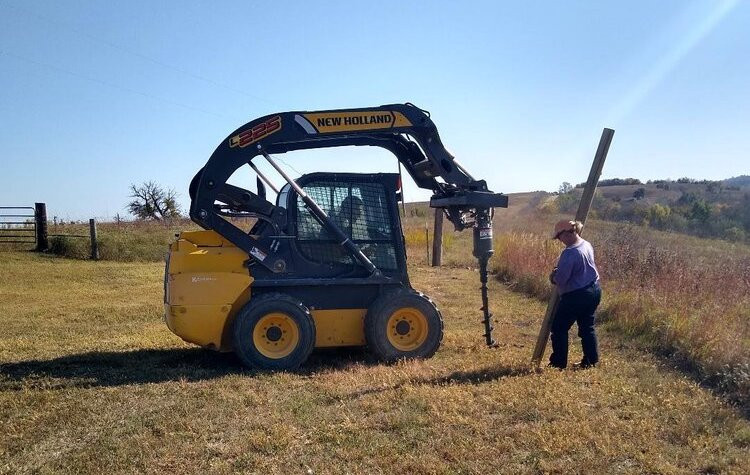
Having grown up on a small farm, Gail Wege was no stranger to hard work. This turned out to be great preparation for her 20 years with the U.S. Army serving in human resources. After retiring as lieutenant colonel, Gail wanted to get back to her farming roots and share some life lessons with her children. She founded Route Step Farm in Onaga, Kansas, where her family raises sheep, goats, cattle, bees and more — all with an eye toward sustainability.
Learn what Gail had to say about prioritizing regenerative farming practices and how their business’s newest venture will leave us all buzzing with energy!
Tell us a little bit about your farming background.
I grew up on a small farm doing lots of work with dairy cows, row crops, beef cattle, hogs and chickens. The day started at 5:30 a.m. with milking by hand. It all snowballed from there. Since we were a small farm, much of our equipment was small as well. Summers were spent stacking square bales and winters were spent opening ponds with an axe and taking care of baby calves. Lots of hard work that made the Army seem easy.
What are some of the skills you learned in the Army that have now translated to running your farm business?
Duty and responsibility are two aspects that easily carry over into farming. Not only do we have a duty and responsibility to care for our animals but also for our environment. Being a farmer is also a selfless service. We work to feed our neighbors and nation. Through perseverance and personal courage, we have faced fear, danger and adversity. Farming isn’t easy and it definitely isn’t for the faint of heart.
What is the meaning behind the name “Route Step Farm”?
This is a style of marching where troops are expected to maintain a prescribed interval but are not required to keep in step or maintain silence. So, for us, we see ourselves as doing things differently, not in step with the traditional farming operation. We are also excited to explain the who, what, when, where, why and how of our sustainable, regenerative farming practices.
What does it mean to you to operate a family farm?
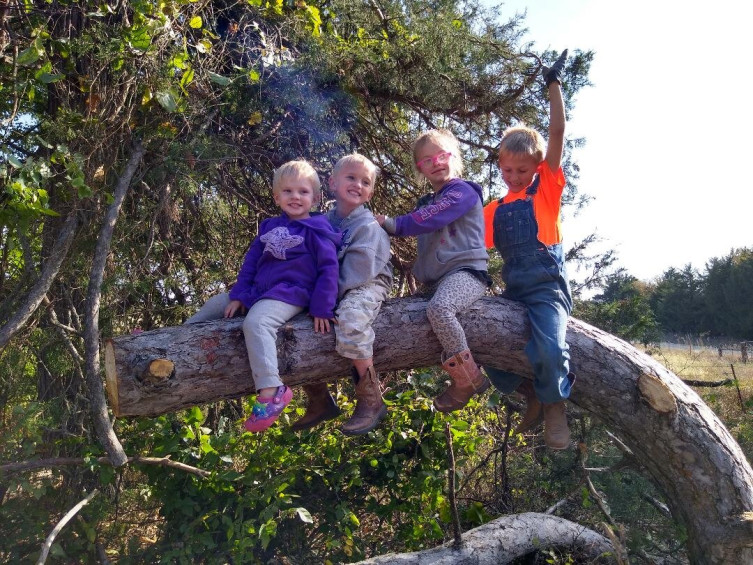
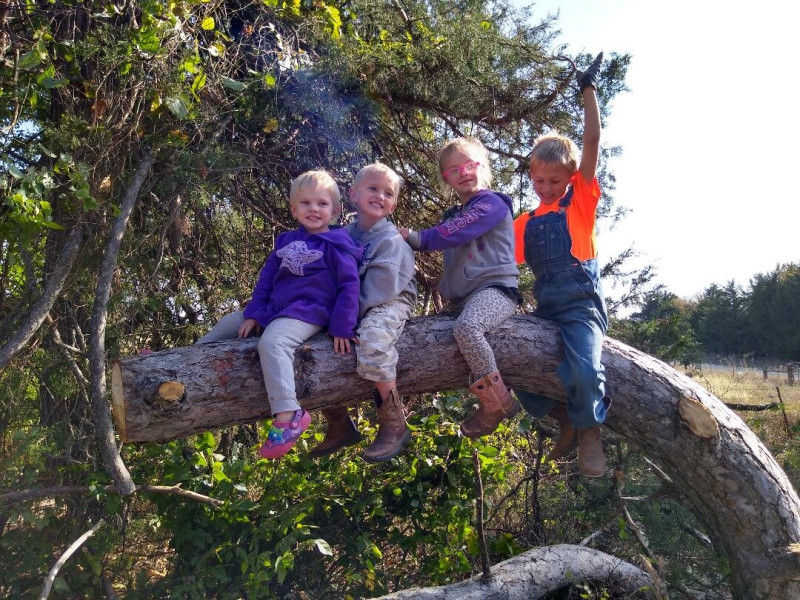
Kansas is a hidden gem of rural America. My children are fourth generation farm kids who are taking part in 4-H and actively supporting and learning about where their food comes from. I’m determined to educate my children about agriculture from production to consumption. The joys and hardship associated with animals and land provide an amazing educational opportunity that will last them a lifetime.
 What makes your farm business different from some of the others out there?
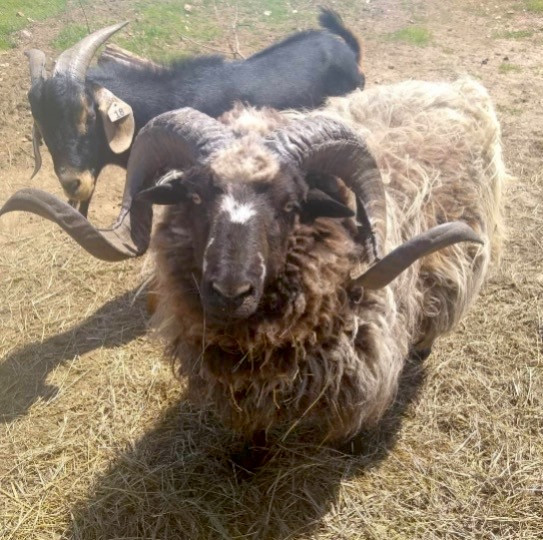
At Route Step Farm, we focus on regenerative and sustainable agriculture. This is where our heritage breeds come into play. Navajo Churro sheep are amazingly resilient and great mothers that can adapt to the environmental conditions Kansas experiences. Yes, they eat grass, but they can also eat brush and weeds. We use the wool for mulch in our garden, and we are experimenting with placing the wool inside the inner cover of our beehives for additional insulation this winter.
Our Spanish goats bring great mothering abilities, a typically lower parasite count and high foraging abilities, too. Goats, which are browsers, love to eat the locust, hedge and cedar trees. Both of these breeds work in our pastures to provide multi-species grazing capabilities. Our Scottish Highland cattle will also browse on brush and graze. They are a smaller breed, but they are hearty and adaptable to the Kansas climate.
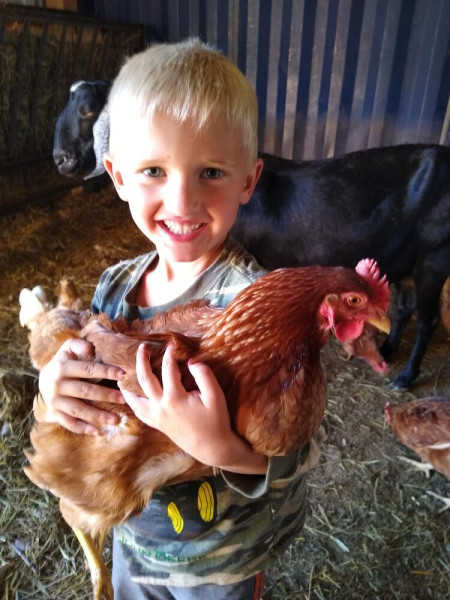
 The free-range chickens wander around all day foraging for food, and we’ve even added two donkeys to the mix, as they were gifted to us from a farm that could no longer handle them. They have come to be very good around all of our other animals (except the barn cats) and are known for their protective nature out in the pasture. The other animals are learning to stick closer to them for protection from predators.
For the beef portion of the operation, we work in conjunction with my sister and her husband, who own and operate LC Ranch.
 Lastly, the beehives have been a wonderful addition that my husband — also a 20-year veteran and is 100% disabled — and oldest son manage. Pollinators are an essential requirement for our survival. They may be small but their job is mighty.
Are consumers able to work directly with you if they want to buy your products?
Since we’ve opened our brick-and-mortar storefront in Onaga, we are much more accessible, and customers are able to see our products or even our animals firsthand. We love to share and teach about agriculture and encourage customers to ask questions. We’ve even taken customers out to the farm to see where their eggs or goat milk comes from.
Are there any new ventures or products you are working on at the farm that you are excited to share with your consumers?
Yes! I’m so excited to be expanding into roasting my own coffee beans for the store’s specialty drinks, as well as for our retail and wholesale accounts. The coffee bean companies I’m working with also promote small farmers who, in turn, help their communities flourish.
To learn more about Route Step Farm, visit their website.
Meet More Kansas Farm Families