Kansas Black Farmers Association Advances Ag Opportunities for People of Color

In northwest Kansas sits a tiny town with a population of 14. Despite its small size, the town has big ambitions: to educate and advocate for Black farmers across the state.
The town of Nicodemus was founded in the late 1800s when enslaved people were emancipated and went in search of a better life. As Black settlements started dotting the landscape of the Midwest during the Reconstruction period, Nicodemus grew to a population of about 500 in the 1880s. The town’s hopes for continued growth were dashed as plans for a railroad were changed to favor a course to the south. Economic prospects dried up and the community went into decline. The area fell from being 100% Black-owned to 10%.
As the last remaining town founded by Black people west of the Mississippi River during that era, Nicodemus was recognized as a National Historic Site with a history worth preserving. But to do so, residents needed to focus on the town’s future. In 1999, local farmers established the Kansas Black Farmers Association (KBFA), an organization devoted to “mutual support and cooperative agricultural market development” to preserve Black-owned farmland and empower Black farmers in the face of historical and systemically racist policies and economic practices.
Today, the KBFA is committed to improving prospects for all Kansas producers of color, including Black and indigenous farmers, through advocacy, education, research and collaboration. The hope is that farmers of color will thrive and retain their farmland. For the group’s Executive Director JohnElla Holmes, the mission is personal.
“When I was two years old, my mother and father had devastating harvests and had to sell their land. My father ended up working on the Interstate 70 project, so we moved from Nicodemus to Topeka,” she said. “My love for Nicodemus was instilled in me. Every summer, we would come back and my soul told me this is where I’m supposed to be.”
As she navigated the twists and turns of life — moves, marriage, corporate jobs, divorce, earning a master’s degree from Fort Hays State University and a Ph.D. from Kansas State University — and saw more Black farmers lose their farmland, JohnElla’s heart kept returning to Nicodemus.
She found a mentor in Veryl Switzer, Sr. Veryl was a legend — acclaimed scholar, athlete, coach and administrator at K-State, pro football player in the NFL and an Air Force lieutenant. Veryl was also from Nicodemus and he felt a sense of urgency about helping Black farmers succeed. He cofounded the KBFA and, when he was nearing retirement, asked JohnElla to assume a leadership role with the organization. She took up the mantle.
“I’m standing on the shoulders of many amazing farm icons,” she said. “My work now is to educate our farmers so they don’t lose any more land and get those who want to farm into a beginner’s program so we can help them start producing food.”
The KBFA has 153 members including crop farmers, livestock farmers, specialty farmers like lavender growers and other agribusinesses. However, there’s a gap. The latest census data reported 217 Black farmers in Kansas and JohnElla is determined to reach all of them to make sure they know about available programs and resources. Without that knowledge, farmers may miss out on important opportunities that can impact their income.
“We’ve got to make sure our farmers know about the amazing programs the USDA has to offer like access to legal advice, a crop rotation program, succession planning and new practices and policies,” she said. “It’s also important that we have a voice and membership on those boards.”
Currently, Black farmers are underrepresented, if at all, on major policy committees. By pushing to have a voice, they can empower fellow farmers of color.
“We’ve never asked for a handout, but we’ve asked to be treated fairly,” JohnElla said.
Additionally, the KBFA offers its own programming for new and seasoned farmers including information about industrial hemp, climate-smart practices and Soul Soil Sisters.
Industrial Hemp
Industrial hemp is an important area of interest because of its increasing popularity. The KBFA is educating interested farmers about how to apply to the research program.
“When industrial hemp was approved for research in Kansas on a small percentage of acreage, we knew it would be lucrative,” she said. “Participation could help a lot of farms be more self-sufficient.”
Climate-Smart Practices
With ongoing drought conditions in northwest Kansas, sustainable farming practices can make a big difference. The KBFA works with conservation groups to provide resources on cover crops, no-till farming and other regenerative ag practices.
“We’ve been without water for so long; our wheat is so short this year,” she said. “We’re trying to grow teff and cover crops. We want to get high wind tunnels to see if they’ll help increase our productivity. We’re doing research to see what will help.”
Soul Soil Sisters
Soul Soil Sisters is a networking and mentorship program for women farmers to access career guidance and explore a variety of professional topics like going to silo, negotiating on sales, keeping books and regenerative practices.
“Women often say ‘my brother’s the farmer’ or ‘my husband’s the farmer,’ but we’re just as much the farmer. We need to wear that badge of honor,” JohnElla said.
Other KBFA Efforts
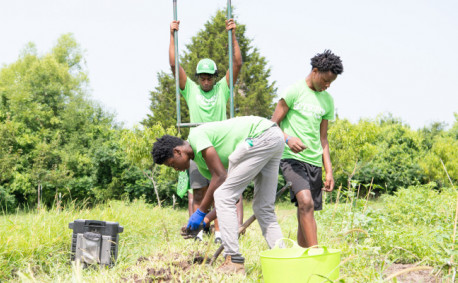
The organization has also created a camp curriculum to introduce inner city youth to agriculture, developed an eight-week beginning farming program, connected row crop farmers with national grain groups and encouraged advocacy.
In addition to empowering Black farmers, JohnElla hopes people outside of the agricultural community will take note of the impact agriculture has.
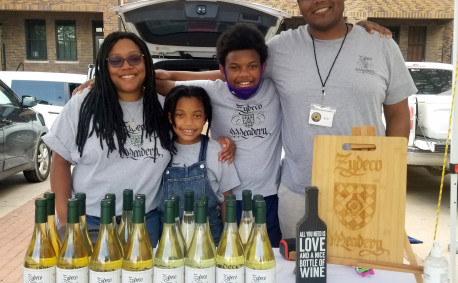
“Agriculture touches every aspect of our lives. You can’t have the milk for your cereal — or the cereal itself — or cotton for your shirt without a farmer,” she said. “By buying from small producers at meat lockers or farmers markets, you become advocates for farmers. We need those advocates,” she said.
JohnElla said farming is a good life and she’s hopeful KBFA will help more farmers of color find longevity and success in the field.
To learn more about the KBFA and get involved, visit their website or follow them on Facebook.
You Might Like