How Precision Ag Helps John Pracht Enhance His Family Farm
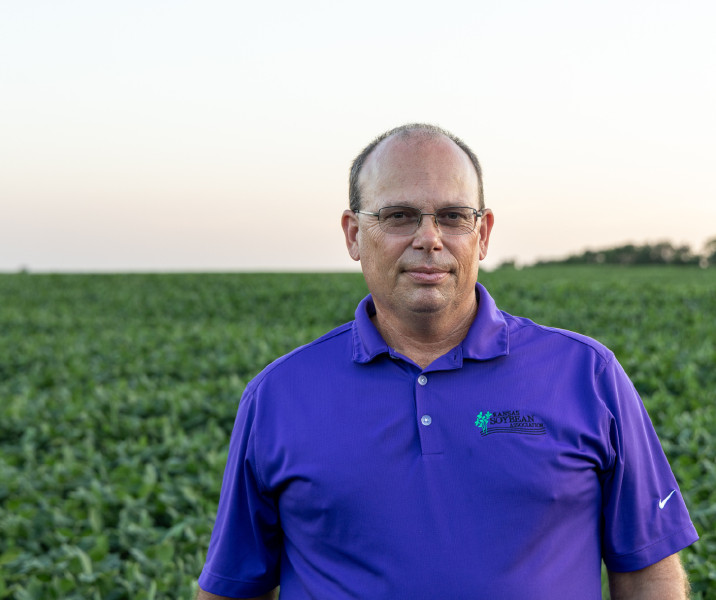
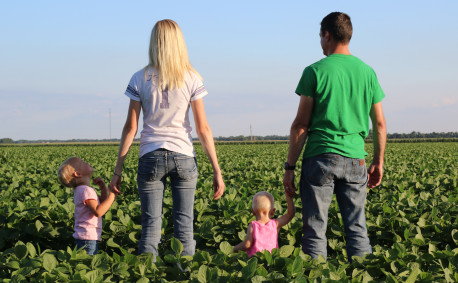
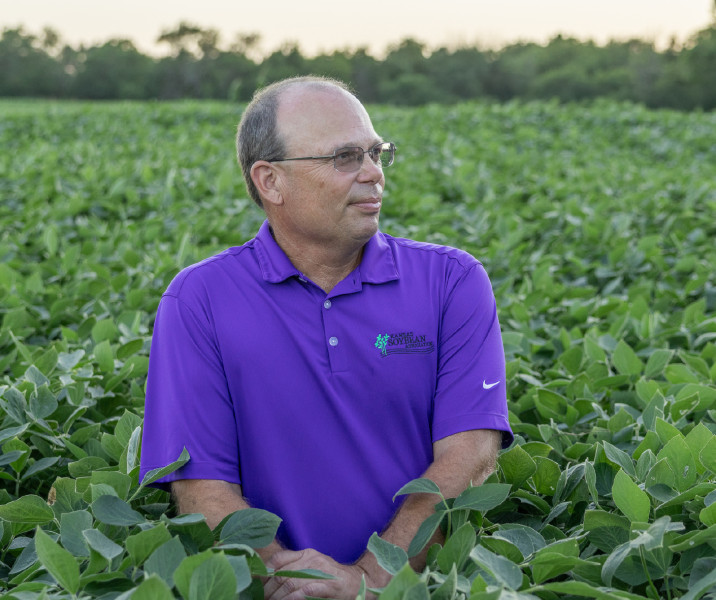
John Pracht is proud to be farming the same land where he grew up, where generations before him farmed and where he hopes generations more will benefit from the sustainable practices he uses today.
Pracht, his brothers, his son Ridge and his nephew all farm together in Westphalia where they raise soybeans, corn and cattle.
“My passion for farming is in knowing that I’ve lived here all my life, that this farm has come from generations of my family working the land, and I want that to continue to my son, to be able to work for him going into the future,” Pracht said.
When farming the same land year after year, sustainable practices help keep the soil healthy to safeguard both current yields and those of future generations.
“I take care of my land by using practices like no-till, fertilizer placement and cover crops,” Pracht said. “Taking care of your land will help you leave the legacy to the next generation of farmers. If we use it and abuse it, it won’t be around for the next generation.”
Adopting cover crops and no-till farming has the potential to keep more moisture in the soil, helping provide crops with the water they need. Fertilizer placement improves the soil by replenishing key nutrients the soil may be lacking.
Precision Agriculture
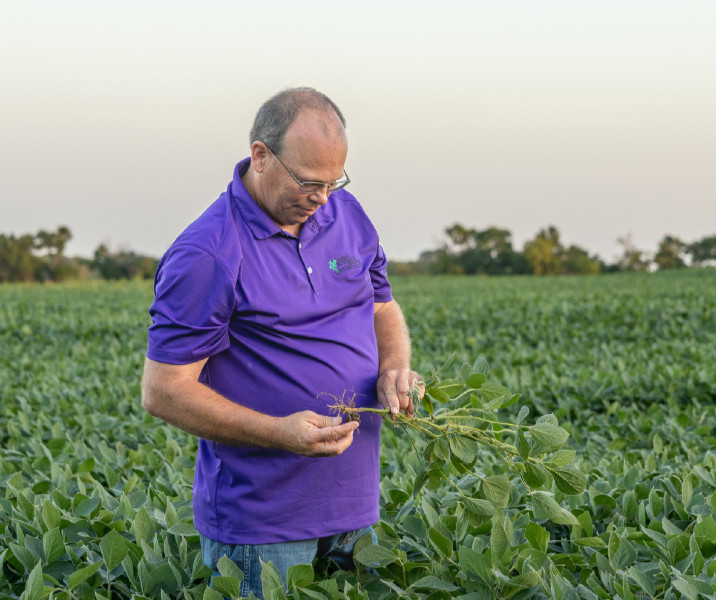
A precision agriculture tool called grid sampling uses technology to divide the fields into squares. Then farmers can sample soil from each square to determine how much fertilizer each section needs. Fertilizer is essential to making sure the soil gets the nutrients it needs for healthy plant growth and higher crop yields.
“The tools allow us to see if a certain part of our acreage needs more fertilizer or if it is doing OK,” Pracht said. “Then you go back on with the planter and can also plant your seed that way too. The better ground you have, the more seeds per acre you can plant to have better yields, whereas your worse ground will get fewer seeds per acre.”
This technology-driven precision agriculture tool allows the soil to not only maintain its current yield level but also improve over time to increase yields as soybean demand continues to grow.
Soybean Uses
Pracht’s favorite use of the soybean is in biodiesel production. Soybean oil is a common feedstock for biodiesel, which has less of an environmental impact than petroleum fuels.
“Biodiesel keeps a cleaner exhaust coming out, which in turn helps the planet,” Pracht said. “It uses our soybeans, and it makes for a value-added crop that we grow and hopefully get more money out of so we can sustain our lives on our farm.”
Healthy and Safe Food
Pracht takes pride in growing crops using environmentally friendly practices to carry on his family farm and help feed the rest of the world.
“I want people to know that on our farm, we have safety for consumers in mind,” Pracht said. “I consume the food from the farm; my family consumes the food from our farm. I want people to know we incorporate health and safety practices on our farm, and we want everyone to be healthy and safe.”
Pracht is a member of the Kansas Soybean Association board, which interacts with state and national legislatures and represents Kansas farmers as a voice when polices are made.
This article was written by Brayden Meseke, an intern with the Kansas Soybean Commission.
Meet More Kansas Soybean Farmers
Explore how these farmers tend to their land to ensure they’re growing the highest quality crop possible.