Growing an Orchard Fig by Fig
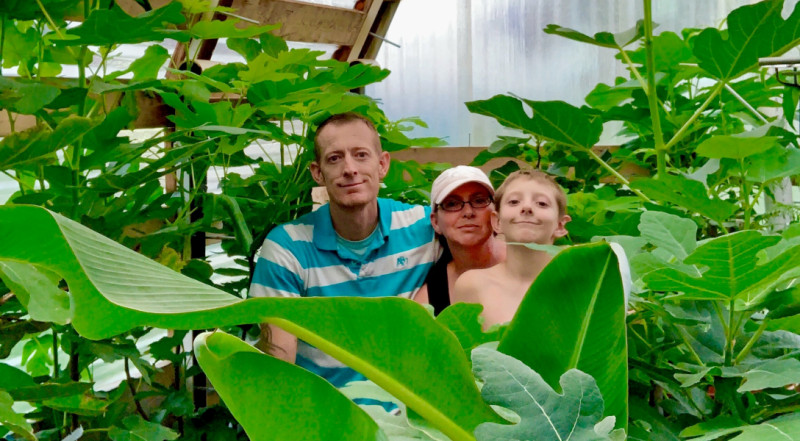
Kehl Murray never set out to be a “big fig-growing guy,” but that’s exactly where his curiosity, do-it-yourself attitude and a fortuitous detour in Pottawatomie County landed him.
“I worked as a construction inspector and would drive to various job sites. I saw a fellow who was putting up a bunch of greenhouses,” Kehl recalled. “They were partially submerged, and he was digging these greenhouses by hand. That's quite a feat. And every day, I would drive by and see his progress. One day, I got curious and just pulled in and started talking to him.”
The man was a fig grower.
“I ended up helping him with some work, and he gave me a fig tree,” Kehl said.
Kehl’s passion for figs took off from there.
“I put it in a little greenhouse when we were living in Westmoreland,” he said. “Once it finally fruited, I was hooked.”
Why Figs?
“The fig tree is just a really cool tree,” he said. “There are so many different varieties, so many different flavors. You can actually make cheese with figs. The enzyme in it acts like rennet. There are sugar substitutes made from figs. You can make coffee out of figs. They're just kind of awesome.”
Kehl’s favorite way to eat a fig is ripe off the tree.
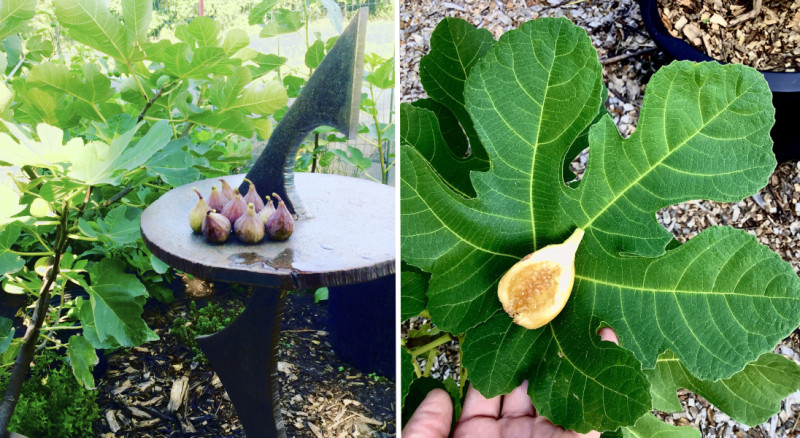
“I make the comparison that a dried fig is a lot like eating bologna, and a fig fresh off the tree is like having the best tenderloin of your life,” Kehl said. “They're very soft and jam-like, kind of nature's jelly donut.”
 A lot of people seem surprised — “figs can’t grow in Kansas,” they say — but cold-hardy varieties and Kehl’s ingenuity have proven otherwise. Raised by a “hippie extraordinaire,” Kehl was drawn to alternative growing solutions.
“I was experimenting with ways of heating a greenhouse that were partially off-grid,” he said.
A self-described “perpetual learner,” Kehl reached out to farmers, read books from the library and researched methods on YouTube.
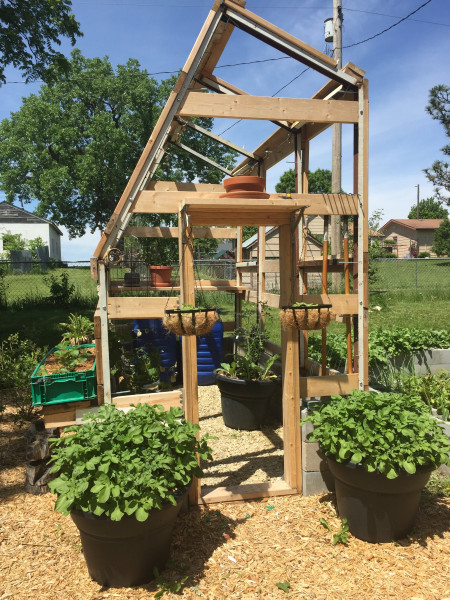
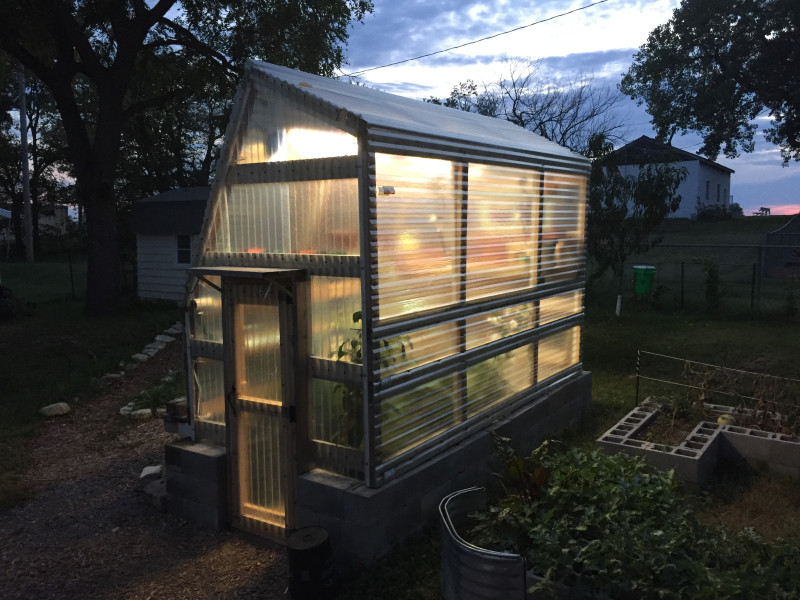
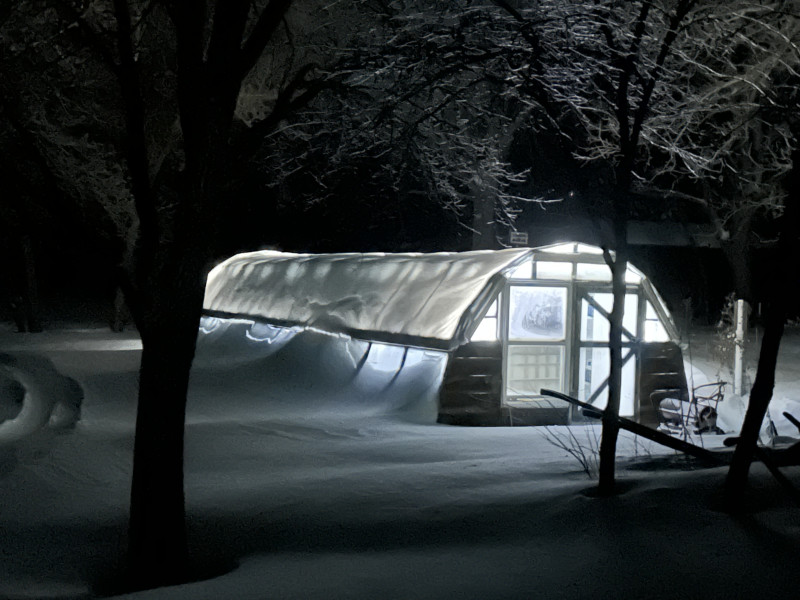
He built a passive solar greenhouse using recycled shipping crates that he welded together. He incorporated other elements, such as an underground air exchange and geothermal system using buried PVC pipes, a reservoir pond and a solar-powered fan. He supplemented the effort with a small space heater and a solar-powered water heater. He populated the pond with fish to keep the mosquito population down. People will often focus on incorporating one of those systems, but Kehl wanted to see what would happen if he combined them.
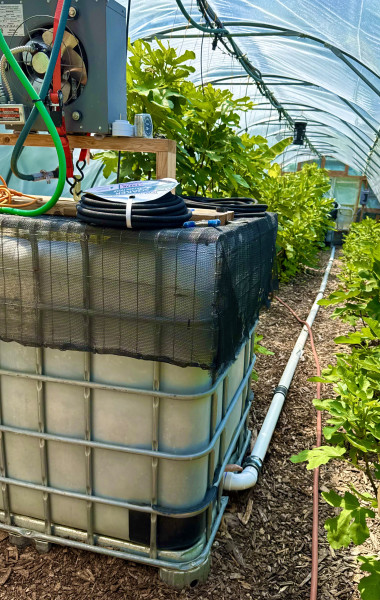 “Bringing all those methods together in one greenhouse was something that I hadn't heard of anyone doing,” he said. “I think the coldest day that year was negative 16 degrees, and it was 116 degrees in the greenhouse. You'd go in and lose your breath. It was so humid.”
They grew figs, bananas, pineapples, peppers and tomatoes.
“I picked a different type of plant every year to learn to grow,” he said. “I had decided that I wanted to be a gardener out of the blue, and it brought me a lot of peace.”
Farming Failures
Then the pandemic hit.
Kehl and his wife, Bethany, had been going back and forth between their house in town and Bethany’s family farm. When her father had to move to a care home, he suggested they sell their house and move to his farm.
“I just dug everything up and brought it out here,” Kehl said. “Then the lockdown happened. We had just paid off all our debt. And right after we did, both my wife and I lost our jobs.”
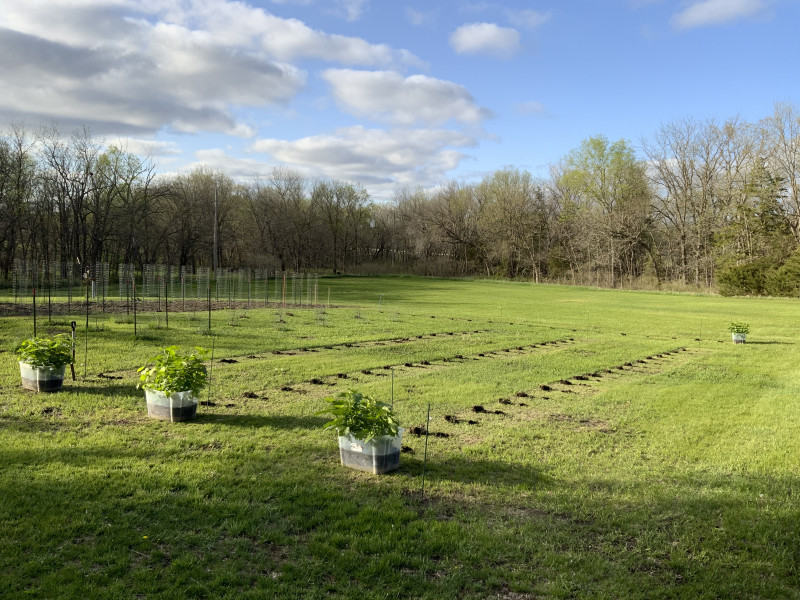
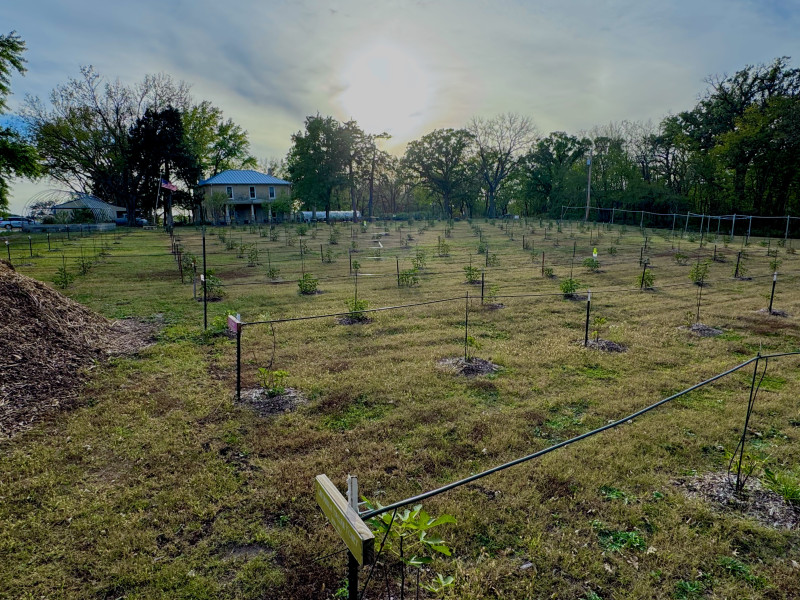
Kehl decided to lean into fig farming. He had started propagating trees and put in an orchard.
“It was a phenomenal failure,” he said. “Then the next year, I tried again. I put about another 100 trees out there. And then we had a bad armyworm year.”
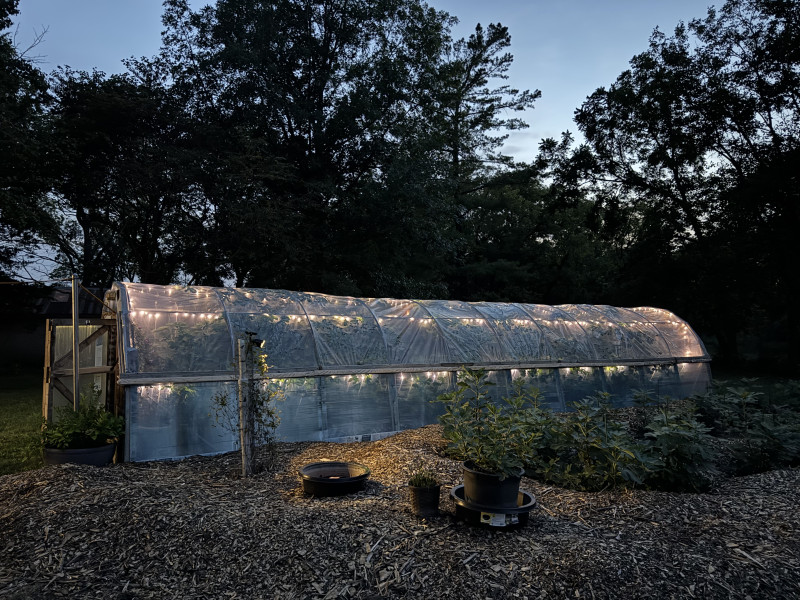
In addition to losing trees in the orchard, severe weather destroyed the greenhouse. Kehl built another one. That one was lost to a weather event too.
“I don't know a farmer that hasn't had a bad year,” he said. “And the bad year is just that. It's just a bad weather event. It's a bad pest event. It doesn't mean you're a bad farmer. It just means that you’ve got to roll with the punches sometimes. And I'll tell you, I've been punched quite a bit. But you just get up, and you just keep going.”
Kehl is optimistic now, but the experience was disheartening.
“I wanted to quit every time it failed,” he said. “Stepping away from something also is completely OK. It's OK to take things back to paper. It's OK to look at the big picture and see if your heart's still in it.”
Kehl decided to take a break. But he kept coming back to the figs. He’d think about planting trees again or designing a new greenhouse.
“I missed it,” he said.
The greenhouse had been his happy place.
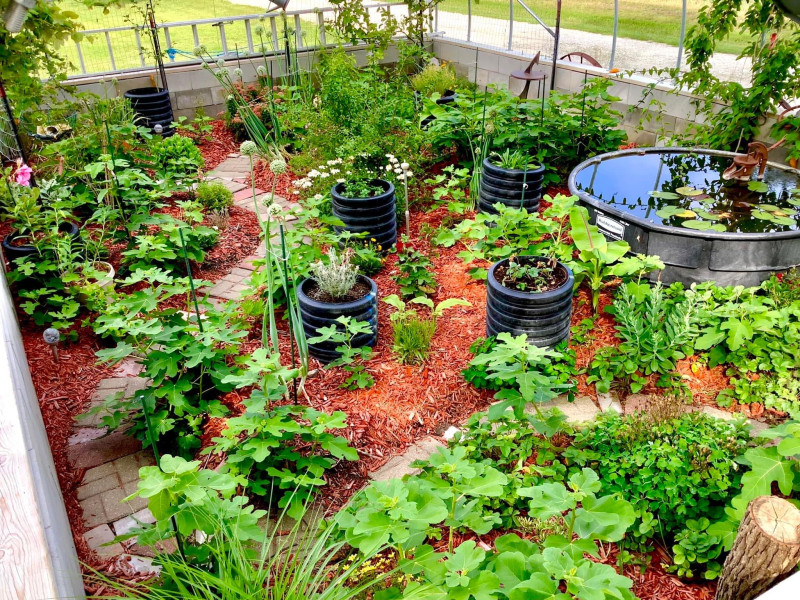
“If I felt stressed out or I couldn't sleep, I would just go turn the lights on in the greenhouse, sit inside, take a book that I was reading, and I would just read in the greenhouse,” he said.
He didn’t want to give it up.
“I think there are people that have some sort of instinct just written into their DNA that they can't stay down, even when they really just want to stay down,” he said. “And I don't say this to brag, but I think I'm one of those people. I think the biggest threat of existence is stagnation, not so much failure.”
Unusual Upbringing
Whether by nature or nurture, Kehl has developed a keen sense of how to persevere through hardship.
“The story of my life is a weird one,” Kehl said. “I was a very feral child.”
While his father served in the Coast Guard, Kehl lived with his grandparents in Wyoming after his mother left. When his father got out of the service, he moved to Utah. Kehl later moved to Chicago.
“I fell in with the wrong crowd, but I was smart enough to learn that I had fallen in with the wrong crowd. And I needed a change,” he recalled. “Sometimes to change, you have to get out of an environment entirely to give yourself the best chance.”
He joined the Army and was stationed in Kansas a couple of times. When he left service, he decided to stay because of Bethany.
Finding Love
“There she is.”
Kehl admits it sounds cliché, but that’s what he thought when he first saw Bethany at an ice cream parlor. He excused himself from talking to his friends and approached her in line. She was having trouble deciding what she wanted, so he suggested his favorite flavor and mix-ins.
“I said, ‘If you don't like it, I'll pay for it,’” he recalled. “She tried it, loved it, and that turned into a conversation.”
That conversation turned into an entire night spent talking and walking around Manhattan.
“We opened Starbucks the next morning with coffee, and there wasn't a day after that we didn't talk either on the phone or in person,” Kehl said.
Bethany’s family came to Kansas from Scotland in the 1800s. They bought a piece of property — sight unseen — at the end of a railway line.
“They started construction in 1885 and finished the house in 1889. There's been a member of the family living here ever since,” Kehl said.
Kehl and Bethany live there now.
“We call it our turn.”
Flint Hills Figs
Today, the property is home to Flint Hills Figs.
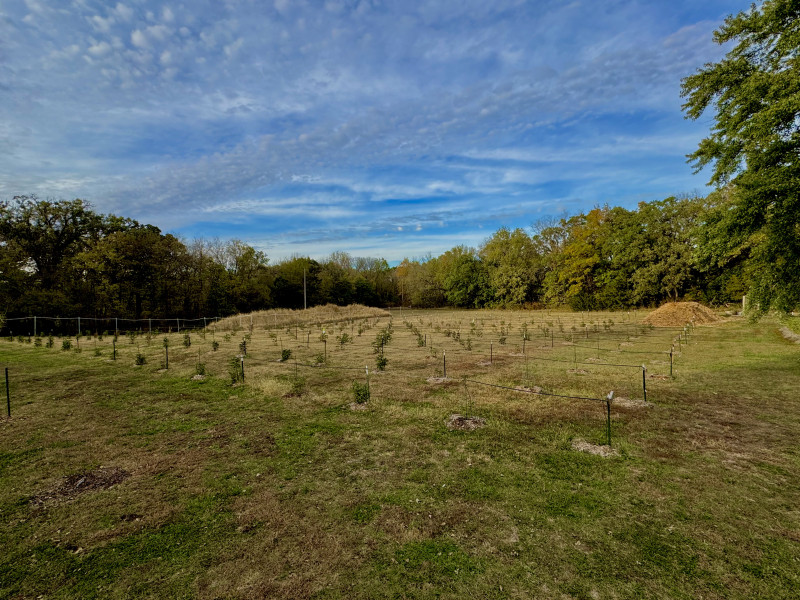
After two homes, three greenhouses and quite a few setbacks, Kehl has persisted, and the orchard is taking off.
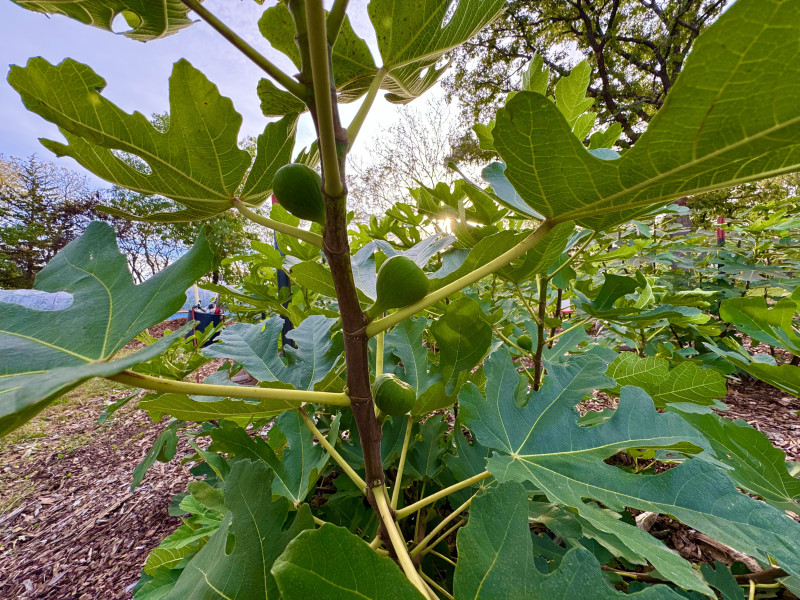
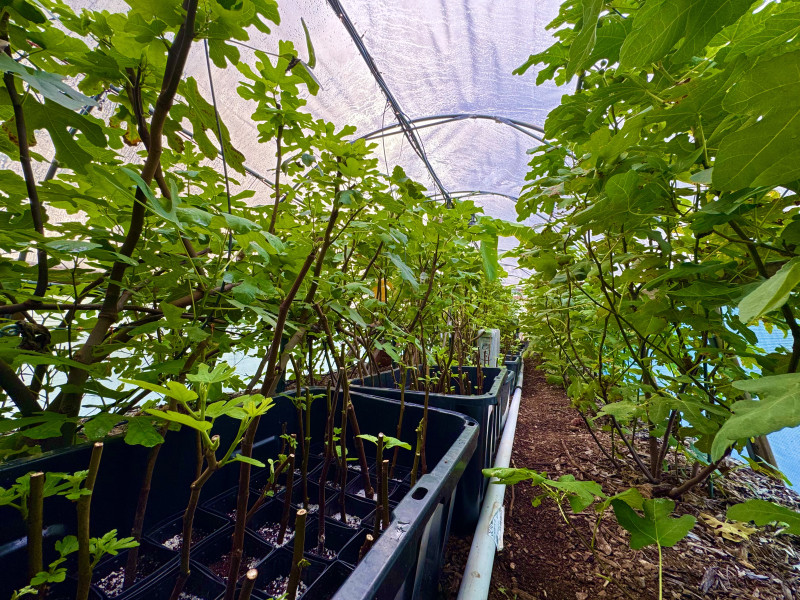
Kehl has planted about 500 fig trees, plus another 250 cuttings in the greenhouse. He grows about 60 varieties, including Mount Etna, Celeste and numerous Louisiana State University varieties including the O’Rourke, Gold and Purple.
“They all have different flavors ranging from a very honey taste to kind of a raisin-y sweet taste, all the way up to berry flavored,” Kehl said.
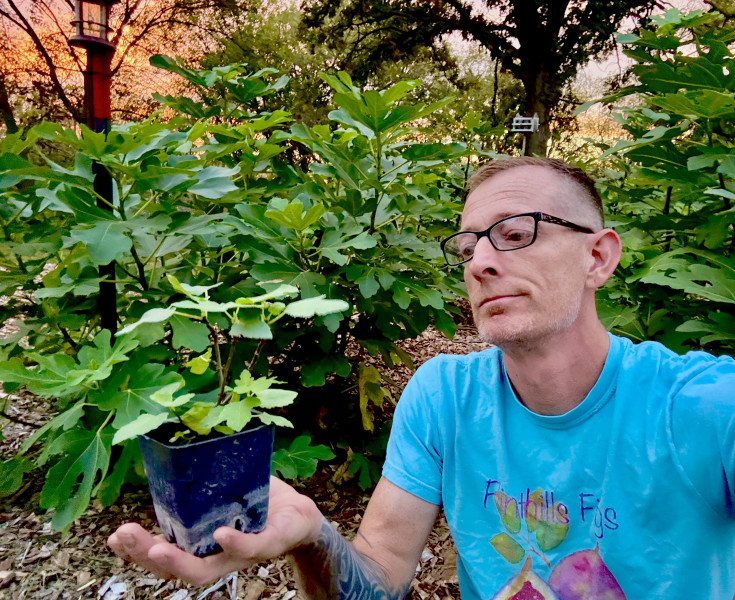 Kehl has started a YouTube channel where he shares his methods, trials and tribulations.
“When I make a video, it's to share my path and really encourage people to pursue whatever it is they're after,” he said. “I have a friend who was a career Army Ranger, and now he's a blacksmith. And he's phenomenal. He put the time in, and he became very good at something. I grow figs. Some guys draw. Some guys work with bees. Whatever your passion is, just put in the time. Do what you love.”
Kehl intentionally produces soothing videos with relaxing music and what he calls his “NPR announcer” voice to inspire others “without putting people to sleep.”
“I think people need someone to encourage them out in the world,” he said. “I encourage people to pursue their passion. If you don't know what that is, great. Try something. And if it's for you, awesome. If not, you know, at least you can say you've tried something.”
And if things don’t go as you hope? Kehl has encouragement for that too.
“Take failure and get back up,” he said. “You're going to take one to the chin a couple of times.”
For your own dose of encouragement, follow Flint Hills Figs on YouTube and learn more about Kehl’s operation.
Flint Hills Figs in Photos
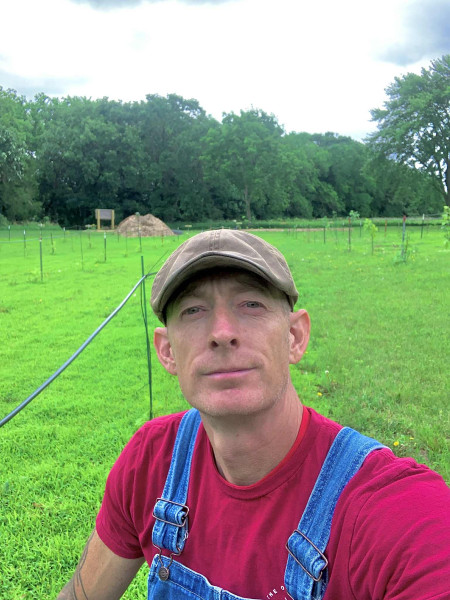
Follow the adventures of Flint Hills Figs through photos, courtesy of the Murray family.