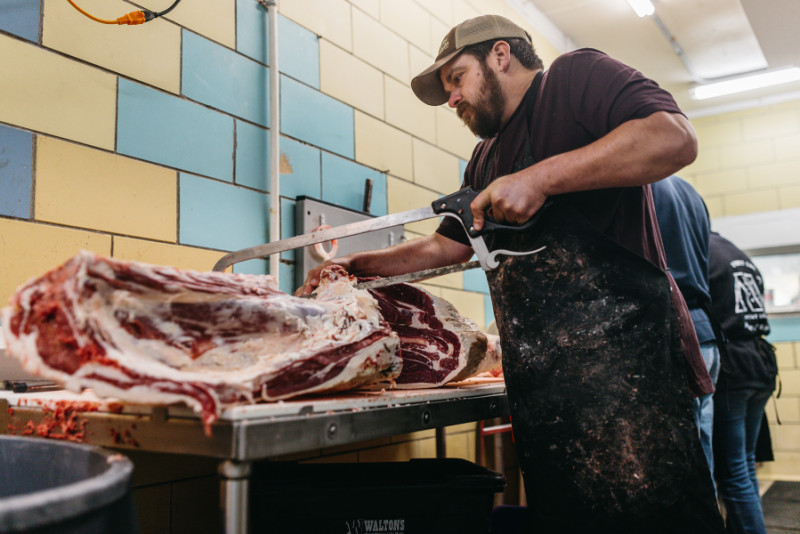
A Cut Above at Alta Vista Meat Co.
Reader Discretion Advised: The following story contains information about meat processing, animal slaughter and butchery. While it aims to educate and inform, some descriptions and images may be sensitive to certain readers.
People will often ask ranchers about how they care for animals: Are they grass-fed? Do you use antibiotics? What vaccines do you give them? Do they eat grains? But when it comes to understanding how animals go from the farm to being processed for meat at the grocery store, people can get squeamish.
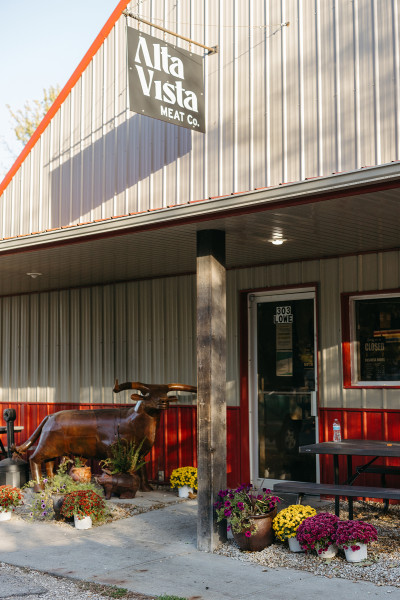
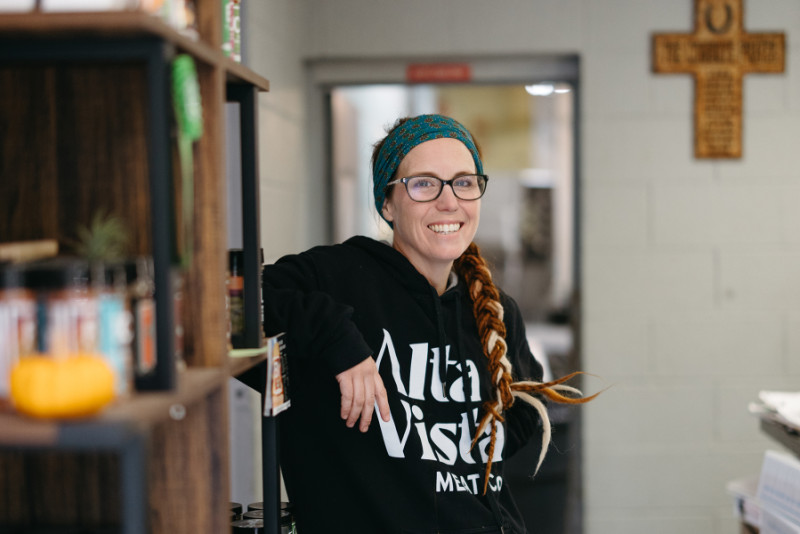
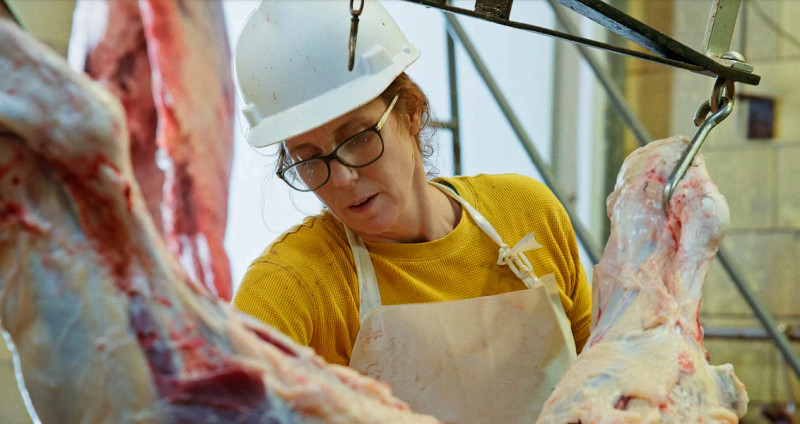
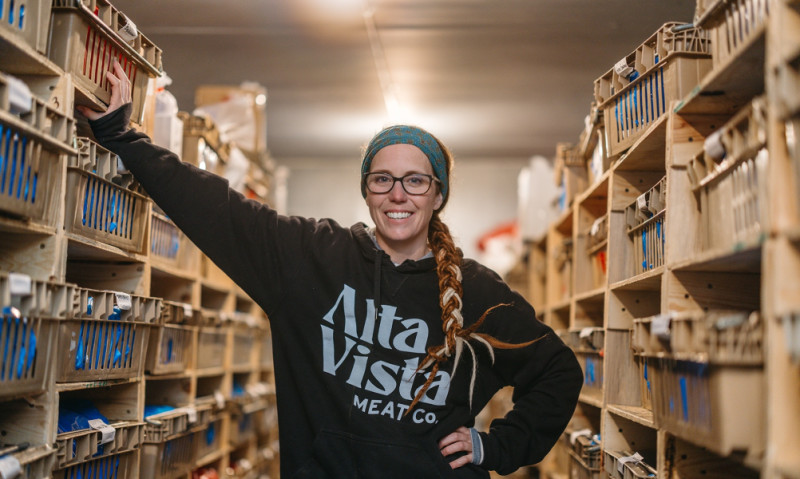
Amie Brunkow, owner of Alta Vista Meat Co., an artisan butchery, says every step from farm to plate is important. By sharing what happens at her meat locker on social media, she hopes to educate consumers about butchery.
“I want people to get more education and more information on this industry,” she said. “The animal's journey with farmers ends where the knocking happens, and our journey with the animal begins.”
(Knocking is when butchers stun animals, which renders them unconscious and brain dead before slaughter.)
Respect for Animals
Good butchers understand these animals have a purpose and respect the process whether the animal is alive or not.
“You have to realize and compartmentalize the fact that this is the animal's purpose,” she said. “After you've knocked that animal and it's down, what you do next gives honor to them.”
At Alta Vista, Amie and her employees take this responsibility seriously.
“I take really good care of the animals while they're in my care,” she said. “After they pass, they’re treated well. And that's important to me.”
Meat processing includes the following.
- Harvesting: Animals are knocked (also called stunned), bled and prepared for processing.
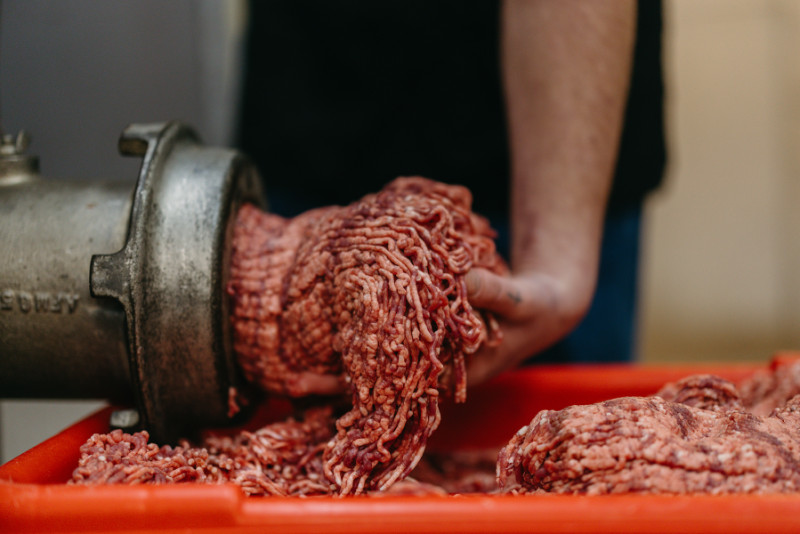
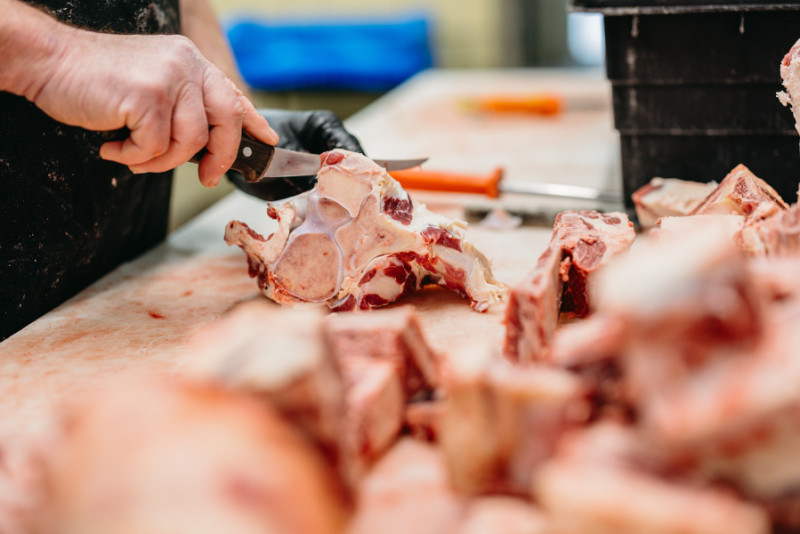
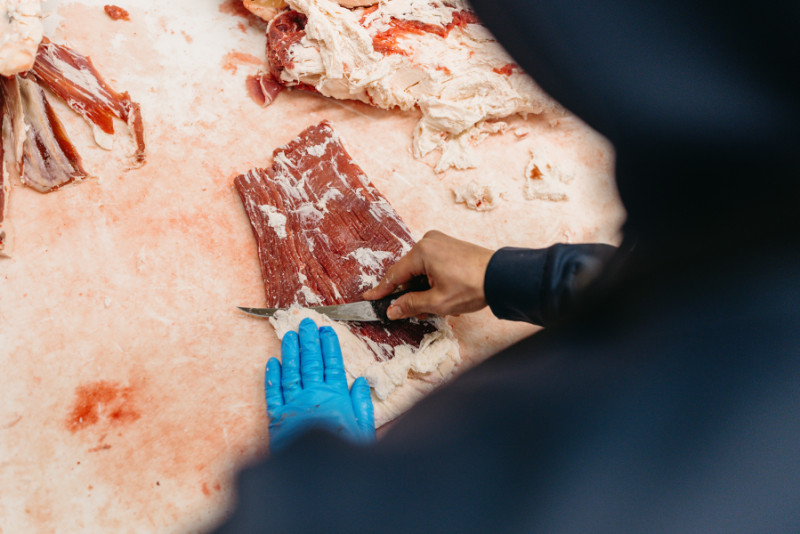
- Butchering: Carcasses are broken down into various cuts.
- Aging: Meat is aged to enhance flavor and tenderness.
Customers and Cuts
Alta Vista caters to three different types of customers.
- Consumers who buy a quarter, half or whole animal from farmers and have it processed at Amie’s meat locker.
- Farmers who want to process meat for resale.
- Retail customers who buy direct from Alta Vista Meat Co.
“Since COVID, the influx of people buying quarters, halves and wholes has skyrocketed, which I'm so happy about because not only are they getting a better product, I think it's better for the meat market,” Amie said. “I think it's better for the cattle. It makes customers realize what one cow can do for a person.”
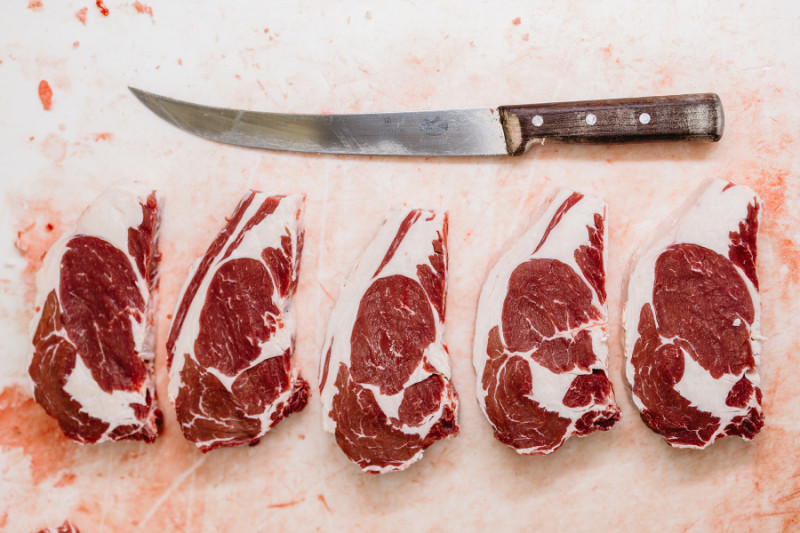 Cut sheets allow customers to specify the cuts of meat they want from a given animal. Amie said she spends a lot of time talking through cut cards with her customers. These conversations can involve asking consumers about the size of their family or what kind of meat they like such as roast, stew or brisket. Amie can make recommendations for how to maximize the portion of the animal they’ve ordered to feed their family.
“You don't want to get 20 roasts when you only make roasts once or twice a year,” she explained.
Farmers ordering for resale often order by function or season.
“Their cut cards are constantly changing,” Amie said. “One of the reasons is they're going to cater it to the season. In the summer, they're going to sell briskets and ribs a lot more because people are smoking. They have it broken up into categories based off of what they know they need to sell.”
By learning more about what happens at a meat locker, Amie says people can honor the animal while also becoming better consumers. Buying meat locally often yields higher quality meat while reducing waste.
Brisket is one example. Each animal supplies two cuts of brisket. If you eat 10 briskets in a year, you’ve consumed one small part of five animals, rather than maximizing what one animal can give you and learning to cook different cuts of meat.
“I am obsessed with osso buco [lamb shanks]. I love osso buco. My kids love osso buco, but you can only get so much from a lamb,” she said. “It makes me appreciate that more, and it makes me practice a more efficient way of eating meats. The big point is how efficient are you with the resources that have been blessed to you, which is this animal. Because you will want to use all of it, even rendering lard and making bone broth.”
How Amie Got Started
Amie is a meat fanatic, but that wasn’t always the case.
She was vegan for two years before being diagnosed with cancer. She adjusted her diet for chemotherapy — specifically to maintain her protein intake — which sparked a deeper interest in meat.
Still, owning a meat locker wasn’t part of her plan.
“This was never on my bucket list. That's for sure. Absolutely not,” she said laughing. “It was one of those things I just fell in love with the first time I did it.”
That first time, some goats on her farm in Paxico were attacked by coyotes. She didn’t want the animals to go to waste, so she started researching butchering on YouTube to see if she could salvage any of the meat. With a background in biochemistry, Amie has a curious mind. As she started processing the goats on her farm, questions started cropping up.
“One spleen or liver would look different than another one, and I was like, what are they supposed to look like? And, you know, what are their lungs supposed to look like? And what's a healthy heart look like? And all that type of stuff,” she said. “So, I really started to dig into that, and that sparked my interest on the meat science part. I fell in love with processing the second that I started doing it.”
From Home Butcher to Business Owner
Following her newfound passion, Amie decided she wanted to process more of her own meat. She explored options like buying a building in Paxico, but the numbers didn’t make sense. Her vet mentioned a meat locker nearby that had been on the market for about five years.
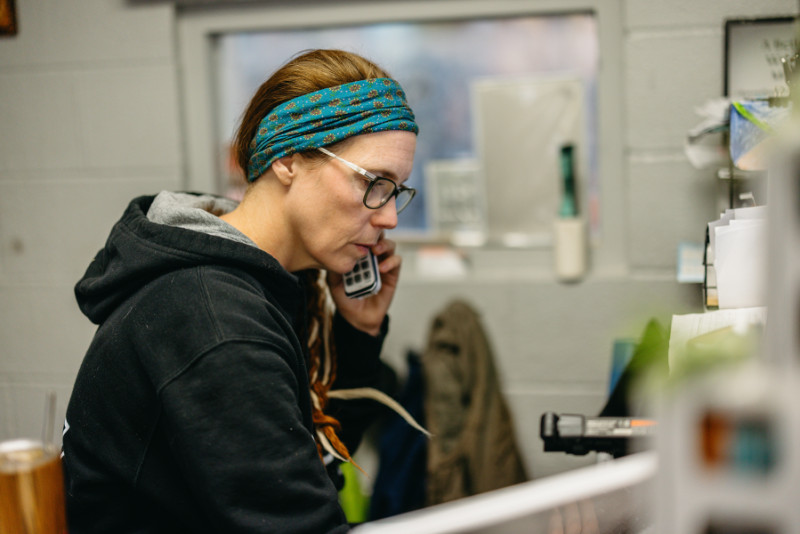
No stranger to running a business, Amie went for it just two years after processing those first goats on her farm. She has her hand in every aspect of the business — paperwork, cleaning and working the retail side. Because the business is in a rural area, finding equipment repair services has been challenging, so Amie has stepped into that role too.
“Getting equipment worked on has been difficult,” she said. “So, I've learned a lot about the equipment we have and how to fix it. I’ve learned a lot about hydraulic pumps. That's been fun.”
Even though she’s the owner, she’s often at the mercy of others.
“I do what I'm told to do most of the time because the employees tell me I need to fix something or I need to do this or I need to do that, and then usually insurance is calling me and telling me I need to do something,” she said. “It's a lot.”
But it also fuels her, and she finds time for her favorite part of the job — processing meat — whenever she can.
“When I'm on the abattoir floor — the slaughter floor — the employees know that's my happy place,” she said. “Butchery is truly an art form to me. It’s taken five years of training under one of the best butchers in the state, plus traveling to learn from others nationwide, to develop my skills.”
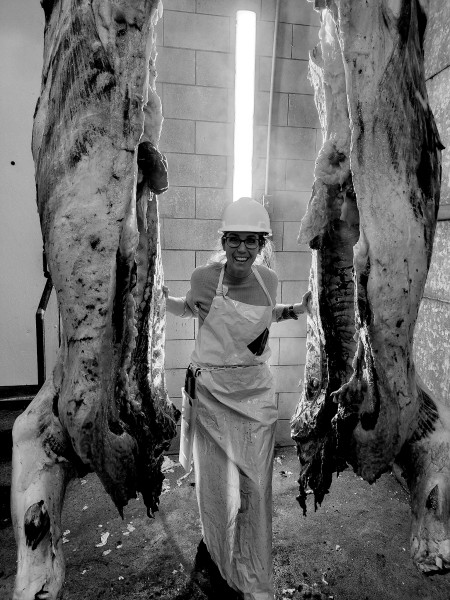 Some people find her passion difficult to understand. Amie said the most common question she gets is how she can do this job.
“I think a lot of people can't get past the fact that the animal had to die,” she said. “I think a good butcher is somebody who can compartmentalize what they're doing, but not in a way that cuts them off from the connection because you have to respect the animal as it moves forward in the process.”
Three Takeaways for Meat Eaters
When asked what she wished consumers knew, Amie talked about three aspects of the business.
First, butchers aren’t bad people. Although she admits they tend to be a little weird, they’re not cruel.
“We're actually really cool, chill people,” she said. “People in this industry are probably the most genuine, authentic, wholehearted people I've ever met. They can really sit down and have a conversation that most people probably wouldn't be able to have. They are around death a lot, but they see the beauty in life, and they respect animals in a way that I don't think other people can.”
Second, different meat aging techniques have a big impact on the final product.
“Meat has to age,” she said. “People assume that they're going get the same product at the grocery store as they do with us, but they’re not. It's completely different. Wet aging, dry aging and what I do are three completely different processes.”
Wet aging, typically how meat at a grocery store is aged, is when cuts are stored and transported in vacuum-sealed packaging with their own juices and water. Dry aging involves cutting carcasses into primal sections and storing them in coolers with desiccant dehumidifiers and UV lighting.
“Some dry aging methods involve coating the sections with various fats or oils or even introducing specific mold varieties to develop unique, nutty or cheese-like flavors,” she added.
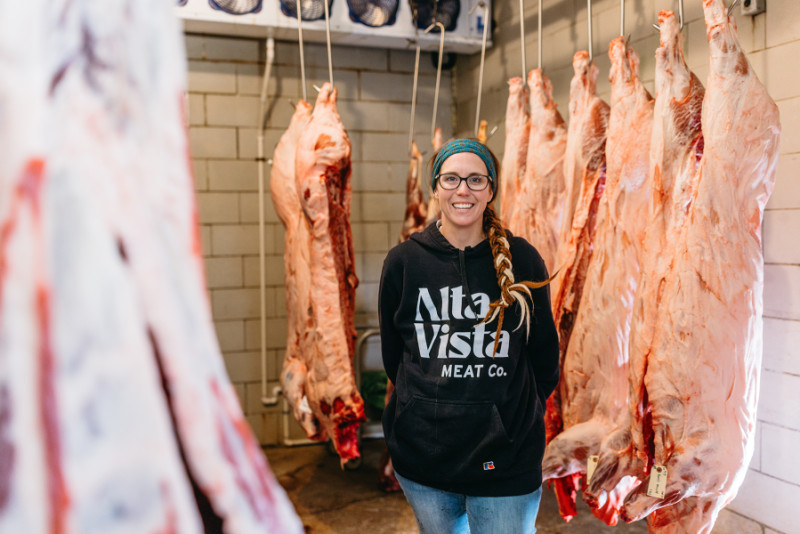
Alta Vista practices what Amie calls “hanging” aging. This method enhances the meat’s flavor and tenderness.
“Our process involves hanging beef carcass halves in the cooler for anywhere from 10 to 60 days,” she explained. “The specific aging time depends on factors like the fat cover, the requested aging period, whether the beef is intended primarily for grinding and how the carcasses appear throughout the aging process. Since most of our beef ages beyond 28 days, we use desiccant dehumidifiers in our coolers and maintain a rigorous cleaning schedule. Additionally, we spray the carcasses with lactic acid rather than organic vinegar, which is more common in other lockers.”
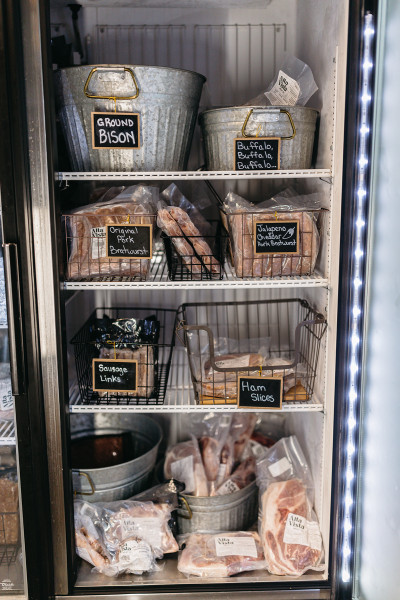 Third, an animal can be broken down in different ways. By eating different cuts, consumers can make the most of that animal.
“When you buy a quarter, half or whole, to me, you're seeing what this animal is giving you,” she said. “I look at meat so differently now. I want to use as much as possible. I buy half a beef, a half a bison every year, lots of chicken and some lambs. And once a something's gone, it's gone. I don't get that again until I get another animal, which makes me appreciate certain cuts a lot more.”
Amie’s favorite cuts include lamb osso buco, beef Denver steak and bison minute steaks.
Processing by the Pounds
Another question Amie gets a lot is how many animals they process. Animals can vary drastically by size, so Amie focuses on how many pounds of meat they process by the hanging weight. Live weight is how much an animal weighs. Hanging weight is less than that. Packaged weight is even less than the hanging weight.
In 2024, Alta Vista processed the following by hanging weight.
- Beef: 341,814 pounds
- Bison: 17,076 pounds
- Hogs: 48,644 pounds
- Lambs: 1,869 pounds
- Goats: 239 pounds
Amie has come a long way from butchering her first few goats in 2018. Despite the challenges of running the business, she wouldn’t trade this work for anything.
“What has surprised me the most is how much I love it,” she said. “In the beginning, I saw a problem and I wanted to fix it. Now, owning it, I love this. It’s almost addictive.”
To learn more about meat processing and Amie’s operation, follow Alta Vista Meat Co. on Instagram and TikTok. You can also follow Amie at @butcher_with_the_braid on Facebook, Instagram and TikTok.