How Cotton Can Help Reduce Microplastics

Microscopic pieces of plastic are present in water, air and the clothes we wear. They have even been found in our bodies. Because plastic isn’t biodegradable, these tiny particles are here to stay. Recycling and reducing the amount of plastic we use can help protect both the environment and our bodies.
Cotton can also be part of the solution.
What Are Microplastics?
Tiny plastic particles fall into two categories: nanoplastics and microplastics. Nanoplastics measure less than 1 micrometer, or micron. For reference, the width of a human hair is usually 20 to 180 microns. Microplastics are slightly larger, measuring from 1 micrometer to 5 millimeters.
Where Do Microplastics Come From?
Some microplastics are used in manufacturing, while others come from larger plastic items that break down into smaller pieces. Packaging, appliances, auto parts, toys and even clothing all can be made from plastic materials.
How Cotton Can Help
While the prevalence of microplastics may sound scary, there is some good news. Natural fibers such as cotton are safe alternatives to synthetic materials.
Textiles shed microfibers when they’re laundered and through everyday wear. Something as simple as wearing a bathing suit made with synthetic material can introduce microplastics to a lake. Synthetic fabrics are responsible for 35 percent of the plastic found in our oceans.
Natural fibers, like those found in cotton, are biodegradable and hypoallergenic. They do not trap heat, plus they pull moisture away from our bodies, making them a comfortable and practical option for clothes, reusable bags and other textiles.
Compare these benefits of cotton with polyester, a synthetic fiber.
| Cotton | Polyester | |
|---|---|---|
| From renewable resources | Yes | No |
| Biodegradable | Yes | No |
| May contain toxic additives | No | Yes |
When shopping for textiles, check the label for cotton to help reduce your exposure to microplastics.
About Cotton
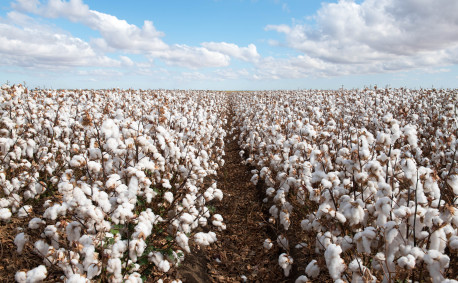
Cotton is grown in Kansas and in a swath of southern states called the Cotton Belt. In 2025, more than 100,000 acres of cotton were planted in Kansas, which produced 160,000 bales of cotton weighing 480 pounds each!