Rooted in Service: How the Bellars Promote Leadership and Stewardship
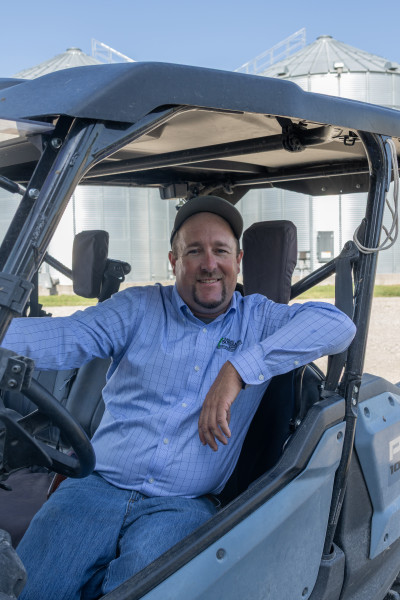
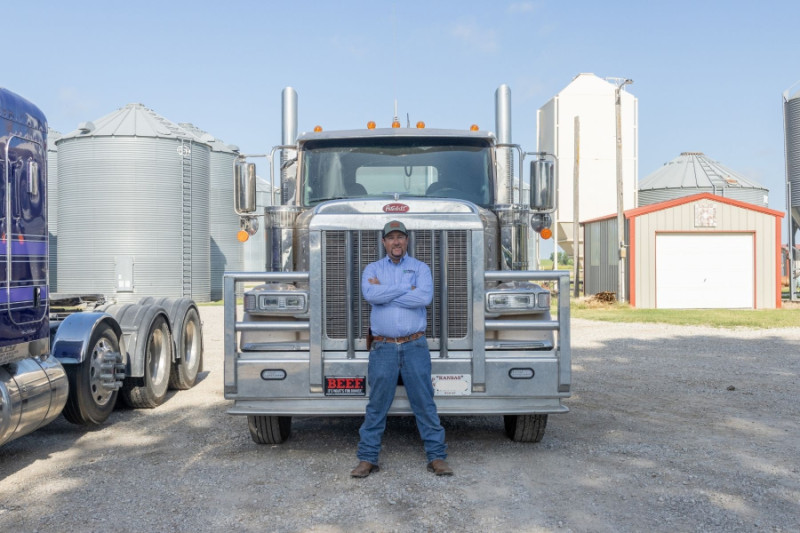
When Ben Bellar talks about farming, he says it's about more than growing crops. It's about growing people, strengthening communities and ensuring the next generation has the opportunity to carry the operation forward.
On the Bellar family farm, that mindset has been passed down for generations.
"I grew up farming," Ben said. "I loved it all my life."
After earning a degree in agricultural technology management from Kansas State University, Ben accepted an off-farm job in agriculture. But when his dad needed help on the farm, the decision to return was easy.
"I abruptly quit that job because home and the farm was more important," he said.
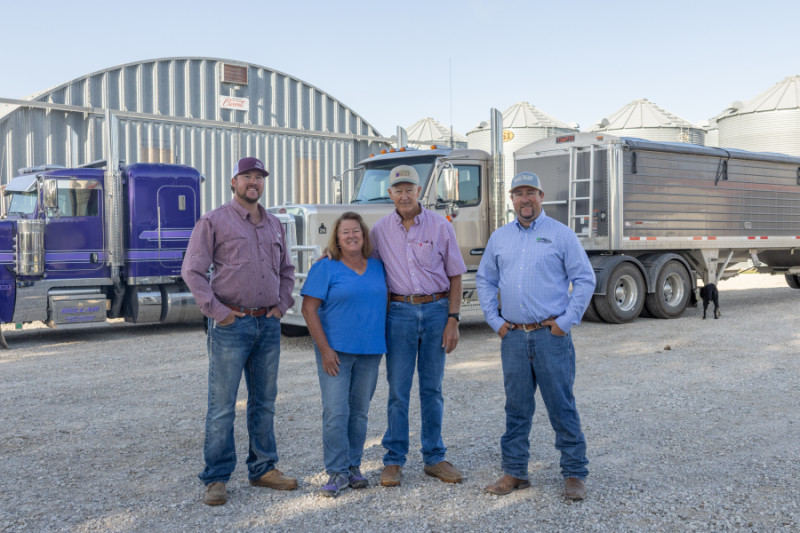
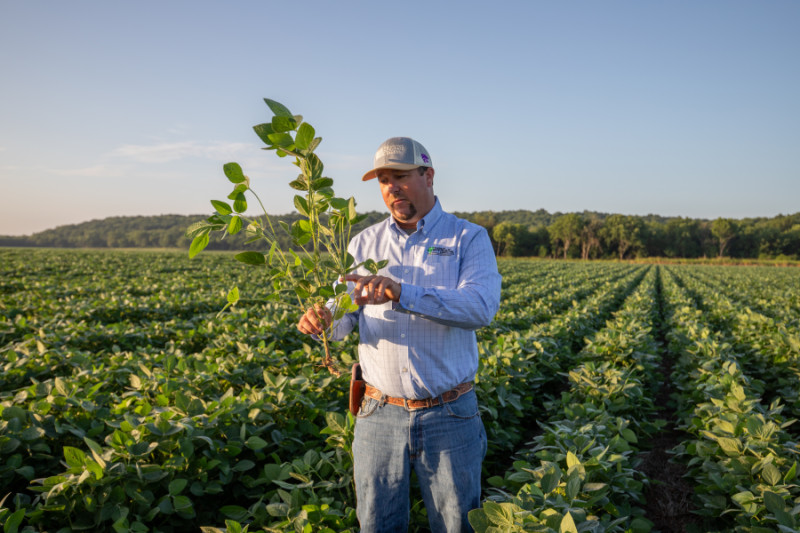
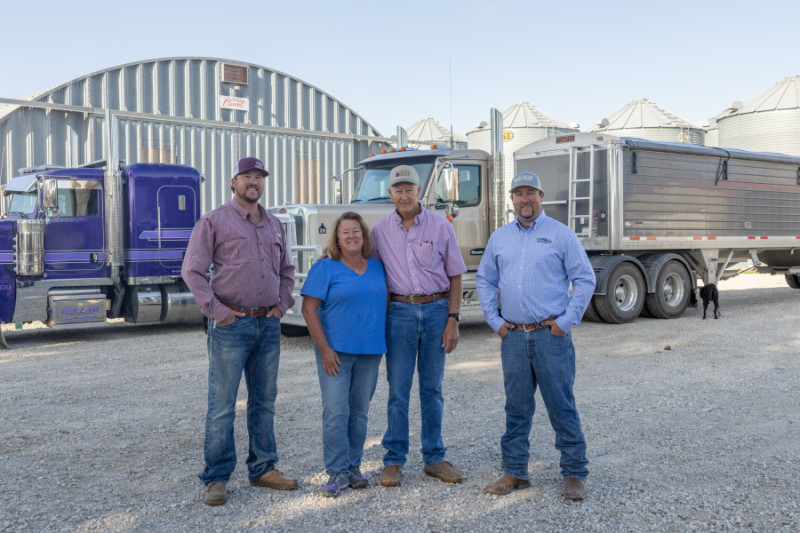
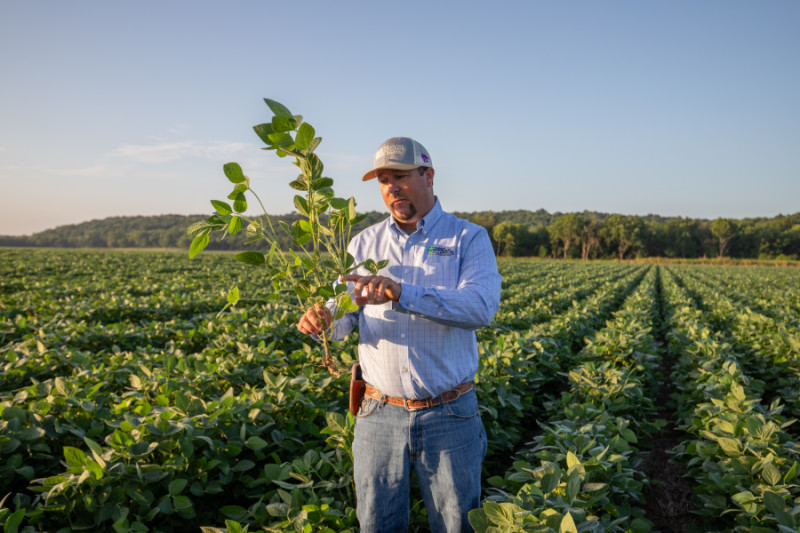 Today, Ben farms alongside his parents and two brothers in Elk County, where they raise soybeans, corn and wheat in rotation. They also feed 300 head of cattle. Their partnership is built on trust, communication and knowing each person's strengths.
"Working with family can be a hoot and a holler all in one," Ben said. "You're going to have arguments, but you're going to get along."
The family's commitment to agriculture extends beyond the farm.
Growing up, Ben watched his parents dedicate hours to organizations that support Kansas agriculture. Their involvement taught him the value of serving the people and industries within their community. That example inspired Ben to become involved by building relationships with farmers across the country while learning how producers can work together to strengthen the industry.
Giving back doesn't stop with agriculture. Ben also volunteers with two local fire departments, responding to grass fires, vehicle accidents and emergencies throughout his community as another way he can serve the place that's given so much to his family.
"It's a great way to help the community," he said. "There are people in need."
Whether he's serving his community or working in the field, Ben believes investing time today gives agriculture a stronger future tomorrow.
On the farm, that means embracing precision agriculture and conservation practices that help protect both natural resources and the family's bottom line.
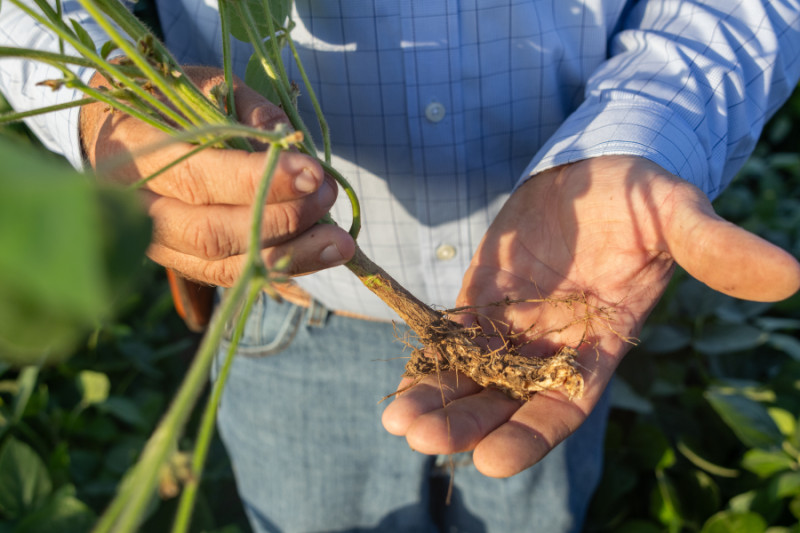
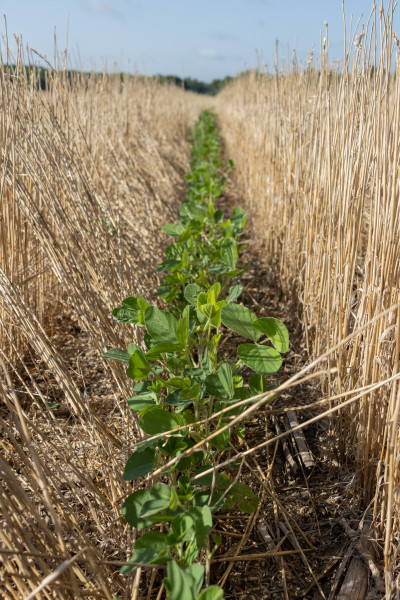
The Bellars use precision agriculture tools like yield mapping, which shows how different areas of a field perform, and grid soil sampling, which measures the nutrients in the soil. That information allows them to apply fertilizer and seed only where it's needed and in the right amounts, reducing waste and helping protect nearby water sources from excess runoff. They also practice minimum tillage, leaving more crop residue on the field to reduce soil disturbance and erosion. Drainage tile beneath the soil helps remove excess water after heavy rains, while terraces and conservation buffer strips slow water runoff and keep soil in place. Together, these practices help the Bellars grow healthy crops while conserving the land for future generations.
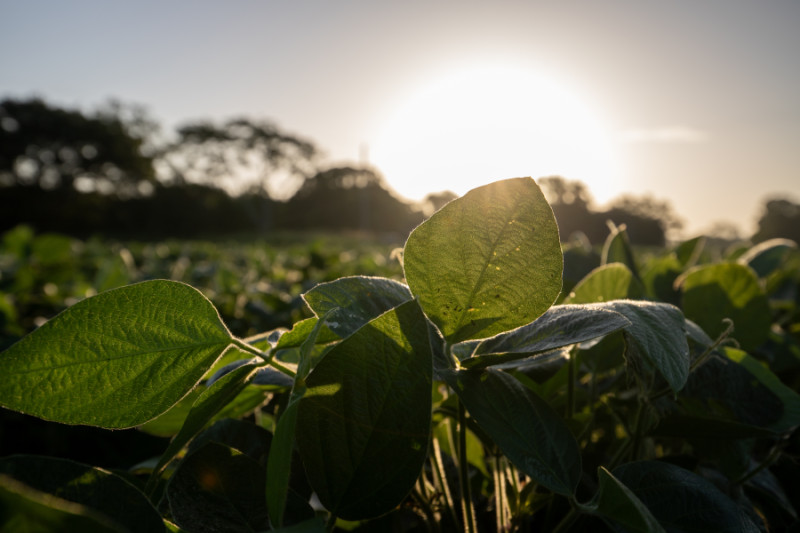 For Ben, those technologies are about keeping the farm viable for generations to come.
"We want to pass something on to the next generation, that's most farmers' goal," he said. "We need to be able to sustain ourselves to teach it and pass it on."
That mindset has made a difference as the Bellars work through a process many farm families eventually face: passing the operation to the next generation.
Many people assume succession planning begins when retirement is around the corner. For the Bellars, it started decades ago.
"There has actually been a plan in place since I was probably five," Ben said.
Over the years, those family conversations have expanded into regular meetings with attorneys and financial planners. Together, Ben, his parents and his brothers discuss estate planning, the timing of the transition, financial considerations and how responsibilities will continue to shift as the next generation takes on larger roles.
"We've been going to lawyers and estate planning for five to ten years now, working on the transition and the timing," he said.
Ben believes those conversations are becoming increasingly important across agriculture.
"One of the biggest challenges farmers face these days is succession," he said. "I know multiple farmers where the next generation doesn't care about the farm, so they've either got to sell out or find someone else to take over."
For the Bellars, knowing everyone's role has made those discussions easier. As Ben’s parents gradually step back, each family member is prepared to take on new responsibilities.
The next generation is already watching as well.
Ben's three-year-old daughter may be too young to drive a tractor, but she's already learning what it means to grow up on a farm.
"It's amazing what a little girl will pick up just by you doing it,” Ben said. “You start picking up branches, she starts picking up branches. You're driving the tractor, she wants to drive the tractor.”
For Ben, that's what farming is all about — producing food, caring for the land, investing in his community and helping leave agriculture stronger for the families who will one day follow in his footsteps.
"A farmer's goal is to raise good crops and good kids," he said.
This story was written by Carissa Dalquest, an intern with the Kansas Soybean Association.
Life on the Bellar family's farm